
Understanding Today’s Mobile Home Market
Who buys trailer homes has changed dramatically over the past decade. The manufactured housing market is projected to reach $24.42 billion in 2023 and grow at 5.8% annually through 2032, driven by an affordable housing crisis that’s pushing more buyers toward alternative homeownership options.
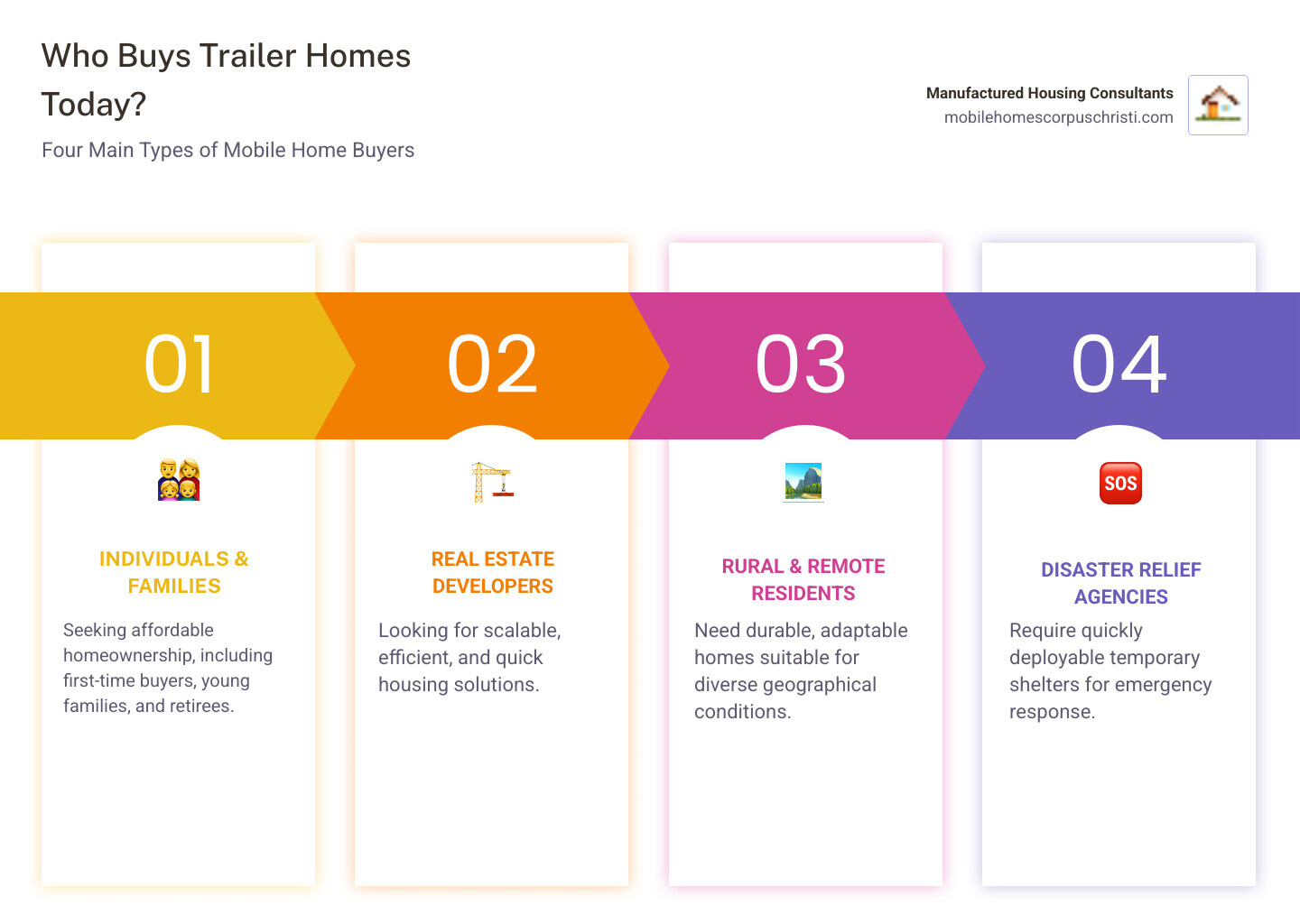
Four main types of buyers are driving today’s trailer home market:
- Individuals and families seeking affordable homeownership (first-time buyers, young families, retirees)
- Real estate developers looking for scalable, efficient housing solutions
- Rural and remote community residents needing durable, adaptable homes
- Disaster relief agencies requiring quickly deployable temporary shelter
Gone are the days when mobile homes were seen as temporary housing. Today’s buyers include everyone from tech-savvy millennials priced out of traditional markets to baby boomers downsizing for retirement. With the median mobile home price in Texas sitting at a fraction of the cost of traditional homes, which average well over $300,000, it’s no wonder the buyer pool has expanded.
The economic life of most mobile homes is approximately 45 years, and buyers are increasingly sophisticated about financing options, from chattel loans to FHA mortgages. They’re also more educated about the difference between personal property and real property classifications – knowledge that directly impacts their investment potential.
Whether you’re a cash buyer looking for quick deployment or a young family seeking your first taste of homeownership, understanding who’s in the market helps sellers position their homes more effectively.
The Modern Marketplace: Who Buys Trailer Homes and Why?
When people ask who buys trailer homes, the answer might surprise you. Today’s manufactured home buyers aren’t just looking for the cheapest option available – they’re making smart financial decisions that align with their lifestyle goals.
Affordability remains the biggest draw, but it’s not just about the sticker price. Buyers love that they can get more house for their money, often with lower property taxes and reduced maintenance costs compared to traditional homes. A young family might find they can afford a three-bedroom manufactured home with a yard instead of cramming into a tiny apartment for the same monthly payment.
But money isn’t everything. Many buyers are drawn to the flexibility that manufactured homes offer. Whether it’s choosing custom layouts, selecting specific features, or simply enjoying a simpler lifestyle, these homes provide options that traditional housing markets can’t match.
Downsizing has become a major trend, especially among retirees who want to free up capital without sacrificing comfort. They’re finding that manufactured homes let them live well while spending less on utilities and upkeep.
For first-time homebuyers, manufactured homes offer something precious: a realistic path to homeownership. Instead of being stuck renting forever, they can start building equity and creating stability for their families.
The beauty of this market is how it serves everyone differently. What matters most is finding the right fit for your situation. If you’re curious about what daily life looks like in a manufactured home, check out our guide on mobile home living – you might be amazed at how much these homes have evolved.
Understanding the Demographics: A Profile of who buys trailer homes
Let’s get specific about who buys trailer homes in today’s market. The diversity might surprise you.
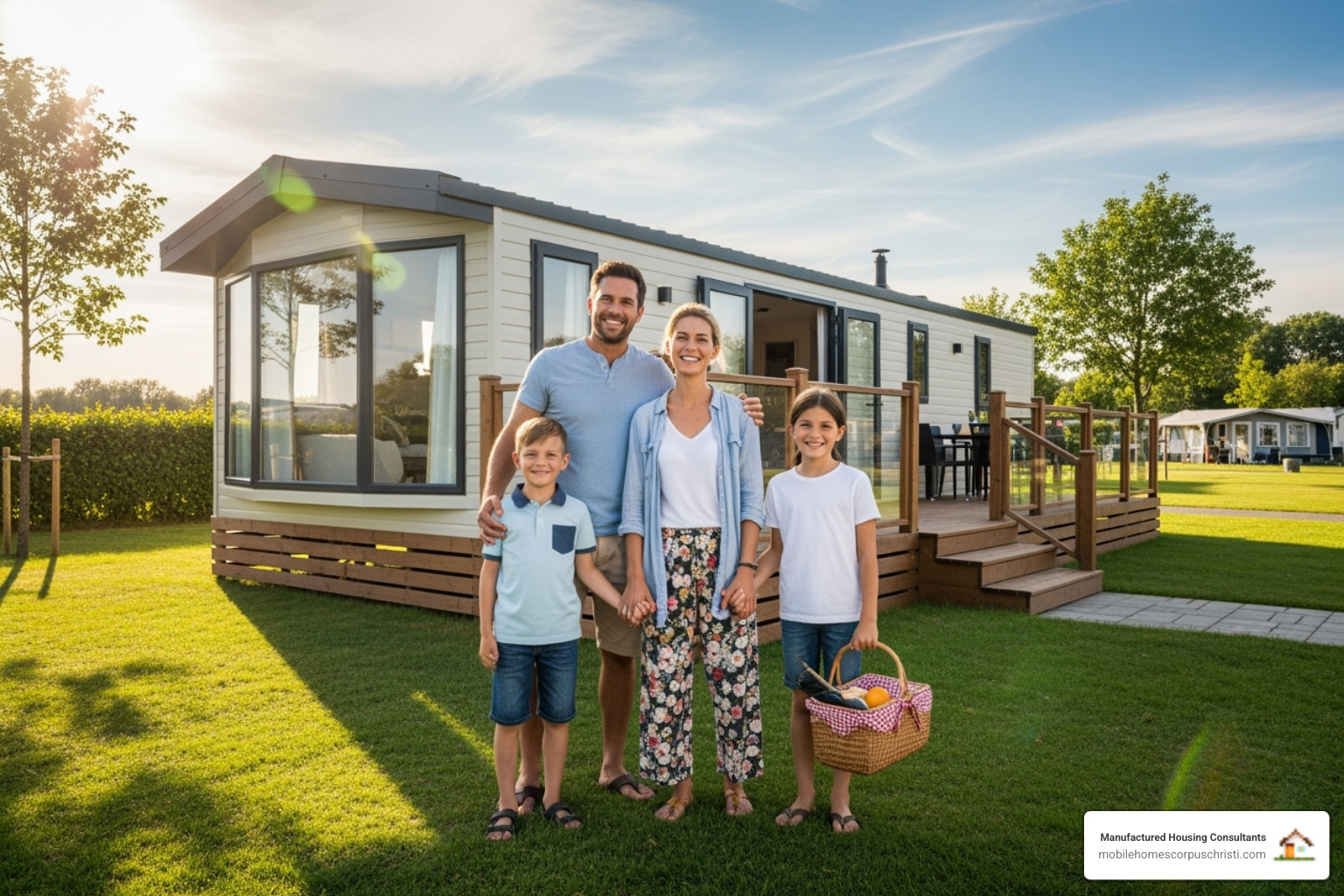
First-Time Homebuyers and Young families make up a huge portion of our buyers. With manufactured homes averaging around $121,600 compared to sky-high traditional home prices, these buyers can finally stop throwing money at rent. They get a detached home with a private yard and often more square footage than they could afford anywhere else. It’s not just about saving money – it’s about building a foundation for their future.
Retirees and Snowbirds have finded something wonderful about manufactured home living. They can downsize without feeling like they’re giving up quality of life. Many gravitate toward 55+ communities, where they find built-in social activities, amenities, and neighbors who share similar interests. The lower maintenance means more time for golf, travel, or grandkids.
Some retirees become “snowbirds,” keeping a manufactured home in a warmer climate for those chilly winter months. It’s like having a vacation home without the vacation home price tag.
Individuals seeking a simpler lifestyle aren’t necessarily trying to save money – they’re trying to save their sanity. They want to spend weekends relaxing instead of painting shutters or fixing leaky roofs. Manufactured homes let them focus on what matters most to them.
Rural and remote area residents have practical needs that manufactured homes meet perfectly. They need homes that can handle tough weather, limited infrastructure, and sometimes challenging delivery situations. The durability and adaptability of modern manufactured homes make them ideal for country living.
The Investor and Developer Angle
The professional buyer market has exploded in recent years, and for good reason.
Real estate developers love the scalability and quick project completion that manufactured homes offer. When you’re trying to create affordable housing communities or meet tight deadlines, being able to deliver and install homes rapidly is a game-changer.
Cash buyers represent a growing segment of our market. They can close deals lightning-fast, often buying homes “as-is.” This is fantastic news for sellers who need to move quickly due to job relocations, financial pressures, or life changes.
Flippers see opportunity in older manufactured homes. They might buy a well-built unit, upgrade the appliances and skirting, then resell for a profit. Landlords appreciate the potential for steady rental income, especially in areas where traditional housing costs have gone through the roof.
Disaster relief agencies might not be typical homebuyers, but they’re crucial customers when communities face hurricanes, floods, or wildfires. Manufactured homes can be deployed quickly to provide safe, temporary shelter when people need it most.
What Motivates Different Buyers
Understanding what drives different buyers helps explain why the manufactured housing market keeps growing.
Affordability and lower property taxes motivate families who want homeownership without crushing debt. They can build equity while keeping monthly payments manageable.
Community and low maintenance appeal to retirees who want social connections without the hassle of yard work and constant repairs. They’d rather spend time with friends than weekends at the hardware store.
Efficiency and ROI drive investors who need projects that make financial sense. Quick turnaround times and lower initial investments mean better returns.
Durability and adaptability matter most to rural buyers who need homes that can handle whatever Mother Nature throws at them, while still being practical to deliver and install in remote locations.
The key is matching the right home with the right buyer’s motivation. That’s where our expertise as Manufactured Housing Consultants really makes a difference.
The Buyer’s Financial Playbook: How Purchases are Funded
Understanding the financial landscape is crucial for anyone considering manufactured home ownership. The good news? Who buys trailer homes today includes people from all financial backgrounds, and there are more funding options than ever before.
Let’s start with the basics. While manufactured homes offer significantly lower entry costs than traditional stick-built houses, smart buyers still need to plan carefully. The median manufactured home price sits around $121,600 in the US, compared to traditional homes that can cost several times more.
When budgeting for your purchase, think beyond just the sticker price. You’ll need a down payment of at least 5%, though some programs allow less. Factor in delivery fees ranging from $700 to $3,500, installation costs between $7,000 and $47,000, and utility hookups from $1,000 to $9,000.
Your monthly housing costs will typically include loan payments of $800 to $1,200, insurance around $50 to $100, property taxes or registration fees of $50 to $150, and if you’re in a community, park fees of $400 to $700. Don’t forget utilities at $150 to $250 monthly and setting aside $50 to $100 for maintenance.
Credit matters, but it doesn’t have to be perfect. Most lenders prefer a minimum score of 620, though specialized financing exists for lower scores. At Manufactured Housing Consultants, we work with buyers across all credit situations and even offer FICO improvement programs.
For those with available funds, cash purchases offer speed and simplicity. There’s no waiting for loan approvals, no financing contingencies, and often better negotiating power. Our guide on the Advantages of Buying a Mobile Home with Cash explores this option in detail.
The key is building a complete financial picture before you start shopping. We recommend saving 3 to 6 months of housing costs for emergencies – it’s simply good practice that gives you peace of mind.

Traditional and Specialized Financing
Financing a manufactured home differs from traditional home loans, primarily because of how these homes are legally classified. Understanding your options helps you choose the best path forward.
Chattel loans treat your home as personal property, similar to financing a car. These loans typically offer interest rates between 6.5% and 12%, with shorter terms than traditional mortgages. They’re often easier to qualify for and can close faster.
Traditional mortgages become available when your home is permanently affixed to land you own, converting it to real property. These conventional loans offer better rates of 3.5% to 6.5% and longer terms, but require the home to meet specific foundation and attachment requirements.
| Loan Type | Interest Rate Range | Typical Use Case |
|---|---|---|
| Chattel Loans | 6.5% – 12% | Homes in parks or on leased land; faster approval process |
| Traditional Mortgages | 3.5% – 6.5% | Homes permanently affixed to owned land with proper foundations |
| FHA Loans | Similar to conventional | FHA-certified homes on owned land; lower down payments possible |
| VA Loans | Competitive rates | Military buyers; can finance home, land, and improvements together |
| Personal Loans | 8% – 15% | Smaller loan amounts; quick approval but higher rates |
FHA loans provide an excellent middle ground for qualified buyers. These government-backed loans require the manufactured home to be FHA-certified and properly affixed to owned land, but they offer lower down payment requirements and competitive rates. Learn more about these programs through the Federal Housing Administration loans explained resource.
VA loans serve our military families exceptionally well. Eligible veterans can finance the home, land, and foundation improvements together, often with no down payment required and competitive interest rates.
Owner financing represents another viable path, especially for buyers who don’t qualify for traditional loans or want to close quickly. In these arrangements, the seller acts as the bank, often offering more flexible terms and faster closings.
For comprehensive information about all your financing options, explore our detailed guide on More about mobile home loans.
The Role of Government Programs and Incentives
Government programs can significantly reduce the financial burden of homeownership, and manufactured home buyers often qualify for many of the same incentives as traditional home buyers.
First-time homebuyer programs are widely available at the state and local levels, offering benefits like down payment assistance and closing cost grants. While specific programs vary, they are designed to make entering the housing market more accessible.
Tax benefits can also add up. Homeowners can often deduct mortgage interest and property taxes from their federal income taxes, providing significant savings over the life of the loan. Some buyers may also qualify for a Mortgage Credit Certificate (MCC), which provides a direct tax credit.
Many of the loan programs mentioned earlier, like FHA and VA loans, are themselves government-backed initiatives designed to help buyers with lower down payments or specific eligibility criteria. For homes placed in rural areas, USDA loans can be an excellent option, sometimes offering 100% financing.
Most programs have eligibility requirements, such as income limits and debt-to-income ratios, to ensure sustainable homeownership.
For buyers seeking affordable housing solutions, programs supporting Repo Mobile Homes for Affordable Housing in Corpus Christi can provide additional opportunities.
The key is researching these programs early in your buying process. Many have application deadlines or limited funding, so preparation pays off. We help our clients steer these programs to maximize their benefits and reduce their overall investment.