
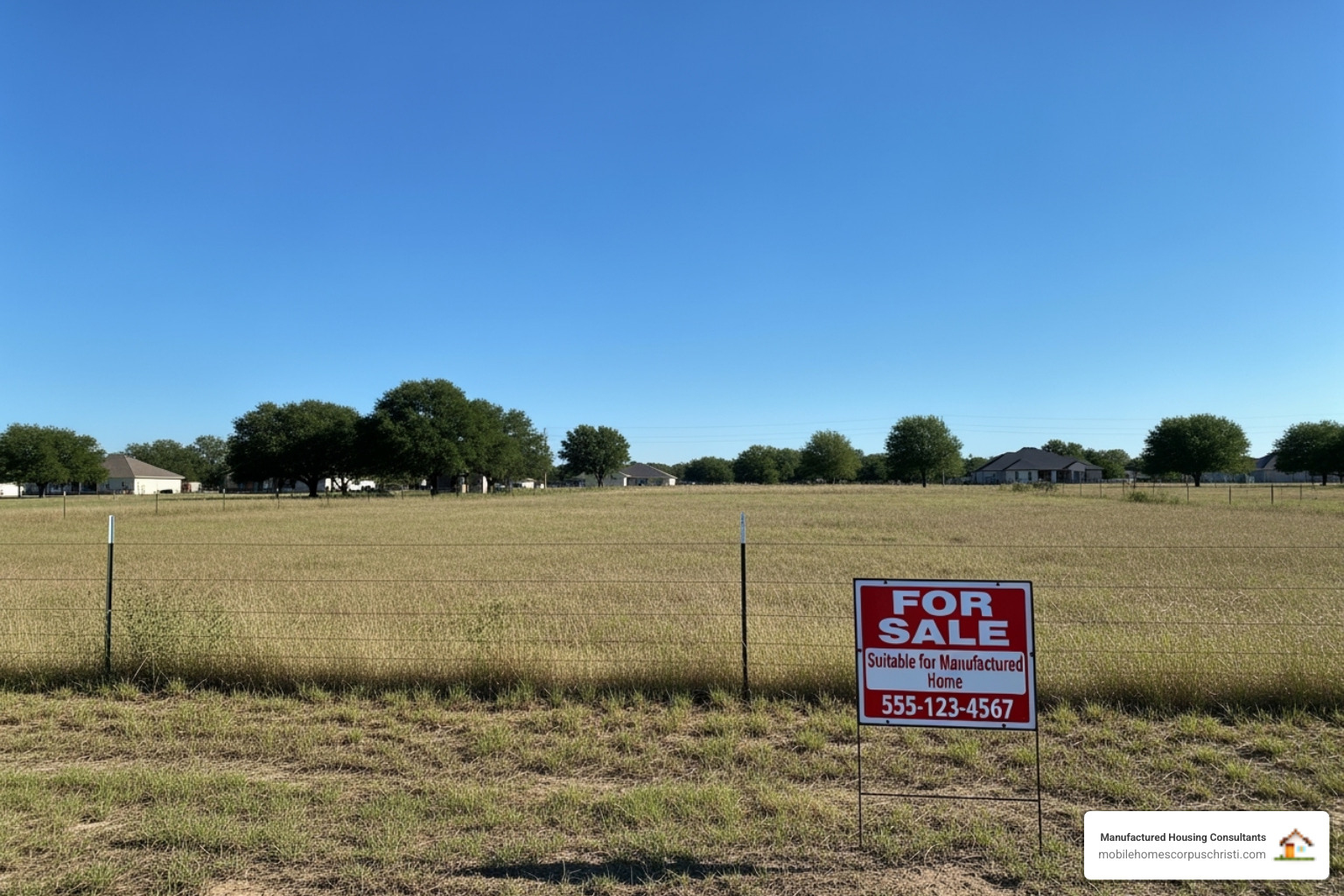
Finding Land That Welcomes Your Manufactured Home
Land for sale that allows mobile homes can be found through online real estate platforms, county property records, local real estate agents familiar with manufactured housing, and by searching for keywords like “mobile homes allowed,” “unrestricted land,” or “manufactured homes welcome” in property listings.
Quick Start Guide to Finding Your Land:
- Search online using specific terms: “mobile homes allowed,” “manufactured housing zoning,” or “unrestricted land”
- Check county planning departments to verify zoning codes permit manufactured homes
- Work with specialized agents who understand manufactured housing regulations
- Review property listings carefully for restrictions, covenants, or HOA rules
- Verify utilities – confirm availability of water, sewer/septic, and electricity
Finding the right land for your manufactured home means more than spotting a “For Sale” sign. You need to know which properties allow your home, how to steer local rules, and what the total cost will be.
The manufactured home market is growing by 6.7% annually, as more people find that owning land with their home builds real equity and avoids lot rent. Rising land values make your purchase a true investment.
However, not all land is suitable. Many properties have zoning restrictions, HOA covenants, or deed limitations that prohibit manufactured homes. Others may lack necessary utilities or have challenging terrain, leading to expensive site preparation.
This guide will help you identify suitable land, understand regulations, budget for all costs, and secure financing—even with credit challenges. You’ll learn to spot red flags and find the right opportunity, whether it’s raw acreage or a build-ready lot.
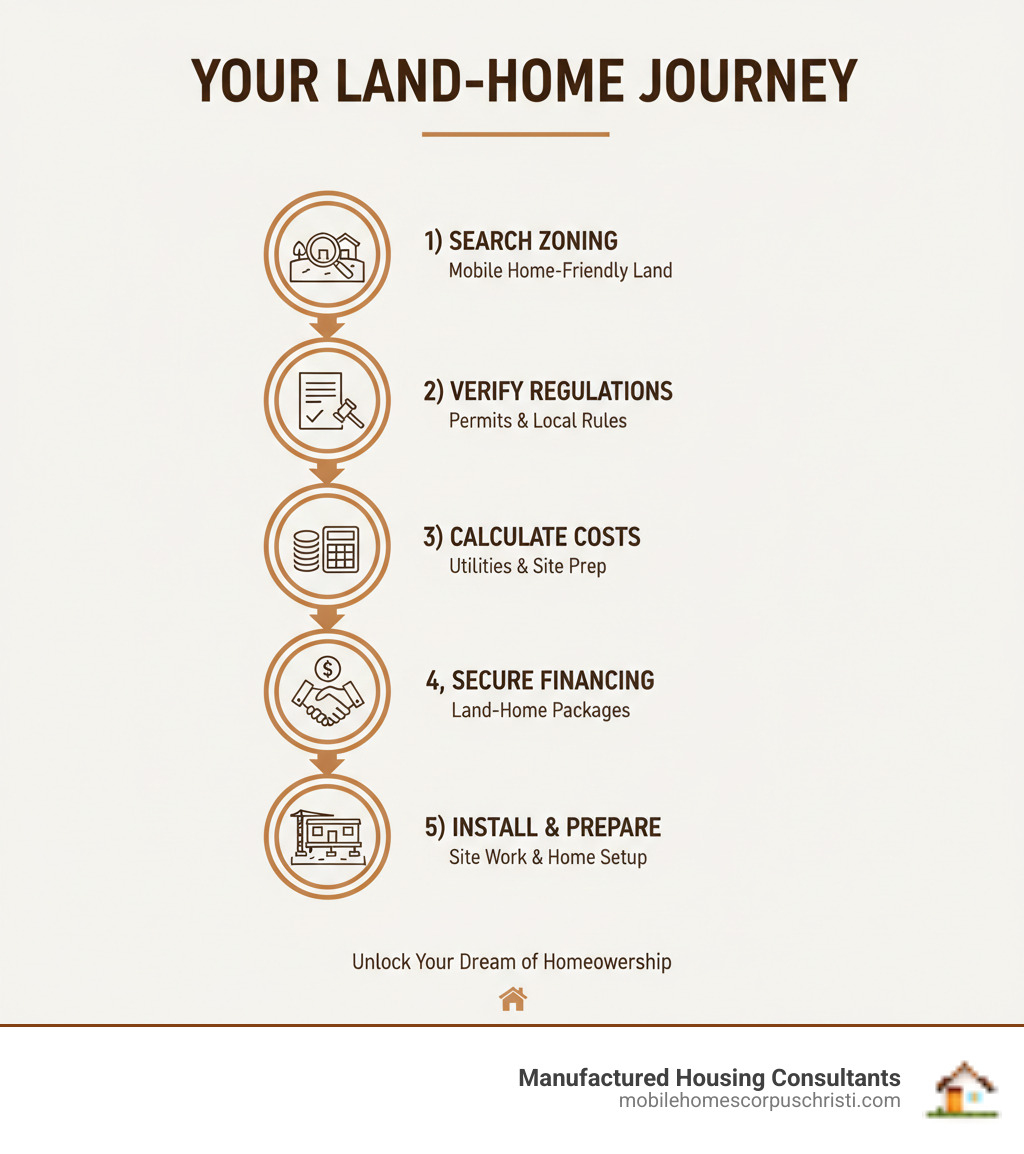
Why Buying Land for Your Mobile Home is a Smart Move
Owning the land for your mobile home offers true freedom—no landlords, no lot rent, and no park rules. It’s a smart financial move that lets you build real wealth instead of just renting a spot.

The Benefits of Owning Your Lot
When you own your lot instead of renting, the financial benefits can be life-changing.
First, there’s investment appreciation. When your home sits on land you own, it behaves like a traditional house—it grows in value. Both the home and the land appreciate. With land values on the rise, your purchase becomes a tangible asset that works for you. For example, Canadian farmland values jumped 12.8% in 2022, showing the potential for growth.
Next is the relief of no lot rent. Imagine saving hundreds of dollars every month. That money stays in your pocket, freeing you up to build savings, pay down your mortgage, or improve your quality of life.
The freedom from park rules is another major perk. Enjoy the freedom to make your property your own. Build a workshop, plant a garden, or add a porch without seeking approval from park management. You’re only subject to local zoning, not restrictive park policies.
Every mortgage payment is building equity in an asset you own. Instead of paying a landlord, you’re investing in your family’s future.
Finally, owning your land provides stability. You won’t face unexpected rent hikes or the risk of a park closing. You have a permanent place to call home, a key advantage we discuss in our article on Mobile Home Living: Pros, Cons, and Expectations.
Types of Land Suitable for Mobile Homes
When looking for land for sale that allows mobile homes, you’ll find several types, each with its own pros and cons.
Raw or undeveloped land is your blank canvas and often the most affordable option upfront. It requires the most work, including clearing, grading, and bringing in utilities, but offers maximum freedom.
Lots in a subdivision offer a middle ground, sometimes in communities designed for manufactured homes. Always review the CC&Rs (Covenants, Conditions & Restrictions) for rules on home age, size, or foundation type.
Rural acreage is ideal for space and privacy, as these properties often have more relaxed zoning. However, you may need to install a well, septic system, and extend power lines.
Infill lots are vacant lots in developed areas, offering convenience to services. They may have tighter space constraints and more complex zoning requirements.
Here’s how these options compare:
| Feature | Raw Land | Lot in a Mobile Home Community |
|---|---|---|
| Cost | Lower initial land price, higher development | Higher land price (often includes hookups) |
| Site Prep | Extensive (clearing, grading, utilities) | Minimal to moderate (hookups often ready) |
| Freedom | Maximum (within zoning) | Moderate (community rules apply) |
| Privacy | High (especially rural) | Low to moderate |
| Utilities | May require well/septic, new power lines | Often pre-installed |
| Appreciation | Strong, as land is the asset | Strong, as land is the asset |
The right choice depends on your budget, timeline, and priorities—whether that’s privacy, convenience, or initial cost.
Decoding the Rules: Zoning, Covenants, and Permits
Before buying land for sale that allows mobile homes, you must understand the rules. Ignoring zoning, covenants, and permits can turn your dream into a costly mistake. Let’s break down what you need to know.

Understanding Local Zoning Regulations
Zoning regulations are the first hurdle. Think of zoning codes as the local rulebook for what you can build. Counties and cities divide land into categories like residential, commercial, and agricultural, each with its own rules.
Residential zoning can be tricky. Many residential zones welcome manufactured homes, but some strictly prohibit them. Always verify before you buy.
Agricultural zoning is often more flexible. Rural and agricultural zones are frequently more welcoming to manufactured homes, with fewer restrictions.
Unrestricted land is the ‘holy grail’ for many buyers, typically found in unincorporated areas. However, “unrestricted” rarely means no rules, so caution is still needed.
The best way to be sure is to contact the planning department. A quick call to your local county or city zoning office with the property’s parcel number can save you from a major headache.
Deed Restrictions, Covenants, and HOAs
Even with favorable zoning, private restrictions can apply. These are just as binding as local laws.
If the land is in a subdivision, a Homeowners Association (HOA) will likely have its own rules. Some prohibit manufactured homes or impose strict requirements on size and style.
Covenants, Conditions & Restrictions (CC&Rs) are private rules attached to the property’s deed. They can dictate minimum square footage, required foundation types, or even restrict the age of the home allowed. Always review these documents carefully before purchasing.
The Importance of Permits and Inspections
Once you confirm a home is allowed, you’ll need permits for installation and hookups to ensure everything is safe and up to code.
You’ll need building permits for the home installation and foundation. A septic system requires specific health department permits. Electrical hookups need permits and inspections to meet safety codes. Your foundation will also be inspected to ensure it’s level, anchored, and built for local conditions.
This process can be complex, which is why we offer Expert Site Preparation and Land Location services. We can guide you through the regulations and permits, translating the “building code” so you don’t have to.
The Search is On: How to Find Land for Sale That Allows Mobile Homes
With an understanding of the rules, it’s time to find your perfect piece of land for sale that allows mobile homes. The right strategy will help you pinpoint properties that fit your needs and budget.
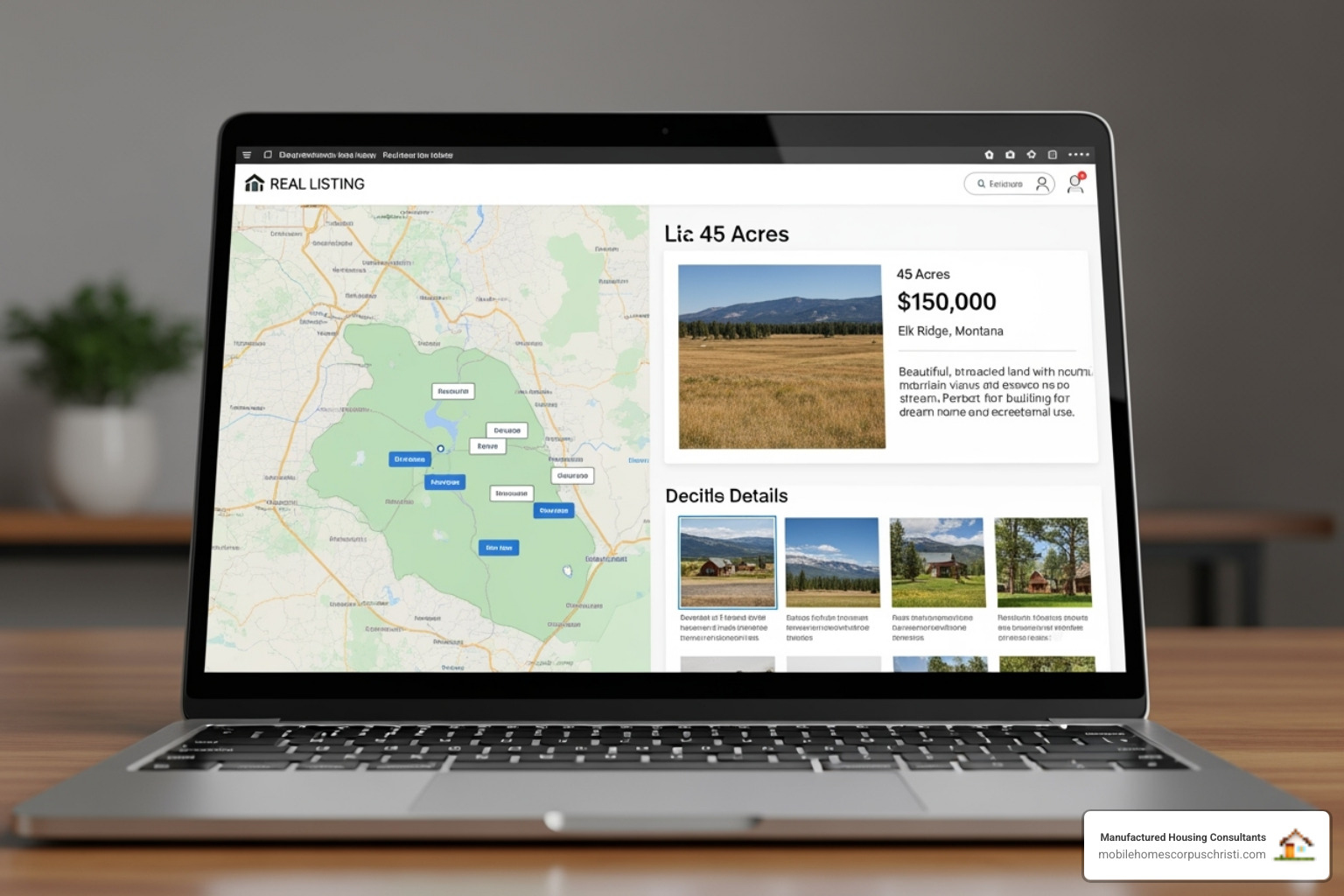
Where to Look for Your Perfect Plot
Finding suitable land requires a smart approach.
Start your search online with targeted keywords like “mobile homes allowed,” “manufactured homes welcome,” or “unrestricted land.” Adding your state, like “unrestricted land Texas,” helps narrow the results.
Online listing sites like Point2Homes, LandWatch, and Redfin are valuable resources. Use their filters to search by zoning or property use. Public records from the county assessor’s office can also reveal zoning, ownership, and permit history for unlisted properties.
Also, consider driving through rural areas to look for “For Sale By Owner” signs, as some landowners sell directly. If this sounds overwhelming, our Our Services: Land Location can streamline the search for you.
What to Look for in a land for sale that allows mobile homes listing
When browsing listings, look for green flags. The clearest indicators are phrases like “Mobile homes allowed” or “Manufactured homes welcome.” Listings that mention “No restrictions” or “Unrestricted” are also promising, but always verify with the county.
Properties advertising “RV’s and Camping & Mobile Homes Allowed” are often very flexible. Also, look for mentions of utility availability, such as “power at road” or “septic approved,” which can save you significant development costs.
For example, a listing might say: “2.8 acres, Mobile Homes allowed, no subdivision restrictions!” or “1/2 Acre, Build or Mobile Home – No HOA, No Flood Zone!” These clearly state desirable features.
Key Due Diligence Steps Before You Buy
Once you find a promising property, it’s time for due diligence before you commit.
- Site access: Can a large home be safely transported to the property? Check for narrow roads, tight turns, or low-hanging power lines.
- Terrain and slope: A steep slope or rocky ground can dramatically increase site prep and foundation costs. Gently sloping land is ideal.
- Flood zones: Check if the property is in a flood zone, which affects insurance costs and building requirements. A “No Flood Zone” property is a major plus.
- Soil test: If public sewer isn’t available, a soil test (or “perk test”) is crucial. It determines if the soil can support a septic system. Never skip this step.
Use tools like AcreValue to research parcel details like elevation and soil data. For more on this topic, see our guide on Preparing Land to Build a House. Proper due diligence saves money and prevents future headaches.
Beyond the Price Tag: Budgeting for Site Prep and Utilities
The price on a listing for land for sale that allows mobile homes is just the starting point. The total investment includes site preparation and utility hookups, which can significantly impact your budget. Planning for these “hidden” costs is essential.
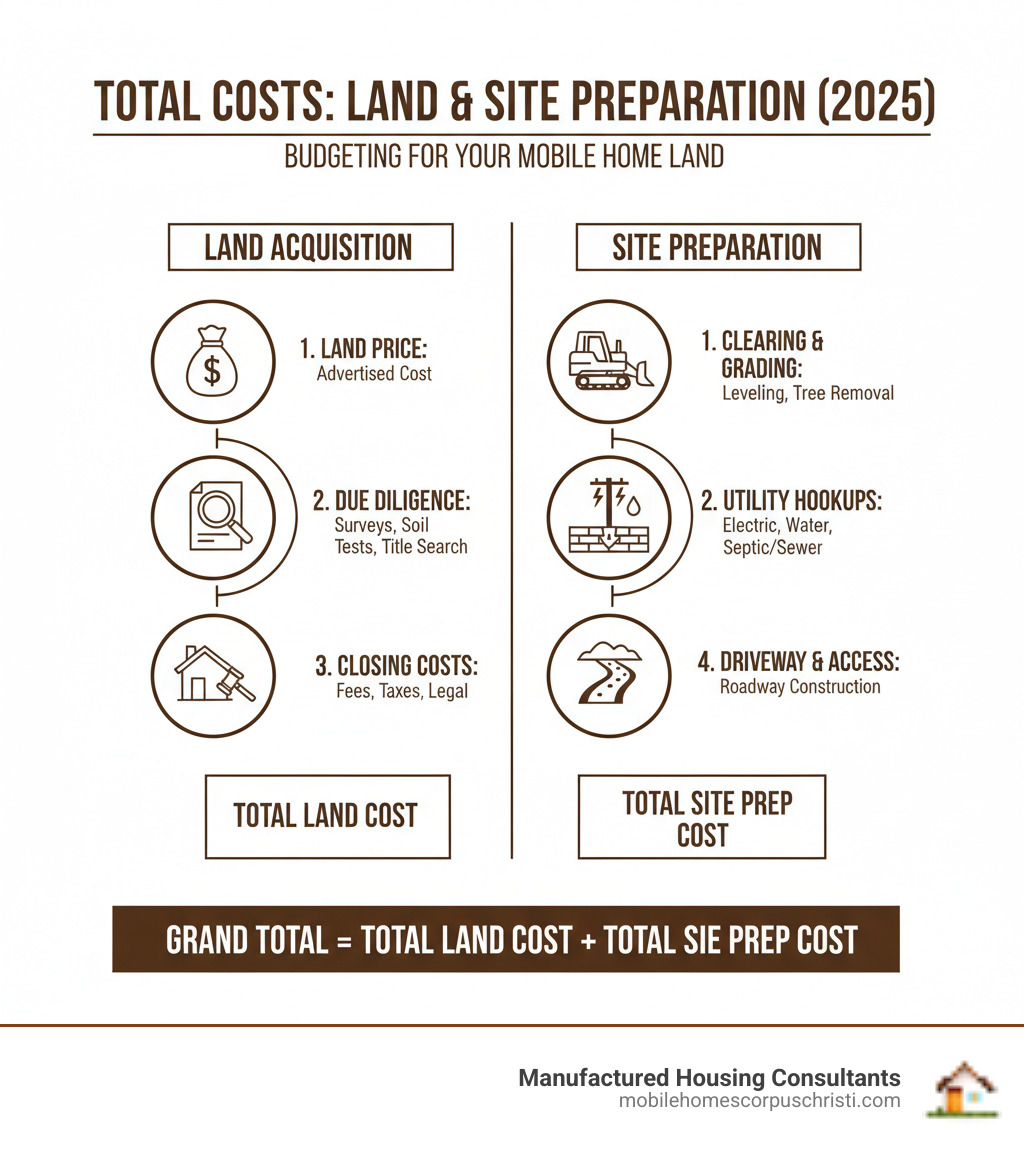
Calculating the Full Cost of Your Land
When buying land, budget for more than the sticker price. Closing costs typically add 2-5% for fees like attorneys and recording. Property taxes vary by location; for example, a Florida lot might have annual taxes of $97, while a Georgia lot could be $487. You’ll also need a land survey to confirm boundaries and title insurance to protect against claims on the property’s title.
Essential Utilities and Hookup Costs
Utilities are a major consideration. If public water is unavailable, drilling a well can cost from a few thousand to tens of thousands of dollars. Similarly, if you can’t connect to a public sewer, a septic system is necessary. As noted by some authorities, septic systems can cost a good deal of money, often ranging from $5,000 to $30,000 or more, depending on soil and system type.
Electricity hookup costs can also be thousands, especially for long distances from the main utility pole. If you want natural gas, verify its availability and connection costs with our Natural Gas Hookup Guide 2025. Always confirm utility availability and connection costs with local providers before buying.
Site Preparation Essentials
After purchase, the land must be prepared for your home. This is a crucial step for the longevity of your investment.
Land clearing removes trees and brush, while grading levels the site and ensures proper drainage away from the home. You’ll also need a driveway for access.
The foundation is critical. Options include a concrete slab, which we detail in our guide on Preparing Land for Concrete Slab, piers or runners, or a full basement for extra space.
Every property is unique. Our Our Services: Site Preparation handles everything from clearing and grading to foundations, ensuring your land is perfectly ready for your new home.
Securing Your Dream: Financing Your Land and Mobile Home
You’ve found your land for sale that allows mobile homes and budgeted for the costs. Now, how do you pay for it? Financing a manufactured home and land is more accessible than you might think, and we can guide you through the process.
Understanding your financing options for land for sale that allows mobile homes
When buying land and a home together, you’ll need a loan that covers both. Land-and-home loans are comprehensive packages that bundle the land and home into a single loan. This treats your purchase as a complete real estate asset. Because you’re building equity in an appreciating property, lenders often offer better terms. Our Financing for Manufactured Homes page explains how we match you with the right solution.
The Land-Home Package Advantage
Purchasing a new manufactured home and land from us as a single package offers significant advantages.
The streamlined process means one loan application and less paperwork. A single closing saves time and reduces costs. Most importantly, bundled financing often results in more competitive interest rates, saving you thousands over the life of the loan. Our Modular Home Financing Ultimate Guide details how these packages work.
Financing with Less-Than-Perfect Credit
Your credit history doesn’t have to be a barrier to homeownership. We believe everyone deserves a path to owning their own home and land.
We work with specialized lenders who look beyond just a credit score. They understand the manufactured housing market and evaluate your complete financial picture. If you’ve had financial bumps, we can help.
We also offer FICO score improvement support and can discuss down payment assistance programs to make your investment more manageable. Our Financing Bad Credit and Low FICO Home Loans resources show how we’ve helped Texans with various credit situations.
We deliver homes anywhere in Texas. Whether you’ve found land in the Hill Country or East Texas, we can get your new home to you and help finance the entire package.
Conclusion: Putting It All Together
Now that you understand what it takes to find land for sale that allows mobile homes, you’re ready to take action. This journey is about creating a foundation for your future.
Combining an affordable manufactured home with your own land builds real equity and gives you freedom from lot rent and restrictive park rules. Success depends on doing your homework: verify zoning regulations with the county, check for deed restrictions and HOA covenants, and plan for the hidden costs of site prep and utilities.
This is where we come in. At Manufactured Housing Consultants, we guide families through this exact process. We understand the rules, costs, and financing solutions for all credit situations. With the largest selection of new mobile and manufactured homes from 11 top manufacturers and guaranteed lowest prices, we help you build your future.
Our specialized financing includes FICO improvement programs, and we deliver homes anywhere in Texas, assisting with every step of the installation. We’re not just selling a home; we’re providing a partnership for your success.
Ready to see how affordable homeownership can be? Explore our House and Land Packages for complete, guesswork-free solutions. Your dream of owning a home on your own land is within reach. Let’s make it happen together.