Why Selling a Trailer Home is Different from Traditional Real Estate
Learning how to sell a trailer home involves a unique process that differs from selling a traditional house. Unlike site-built homes, mobile homes often depreciate and involve different legal classifications, financing, and documentation.
Quick Answer: The 4 Main Steps to Sell Your Trailer Home
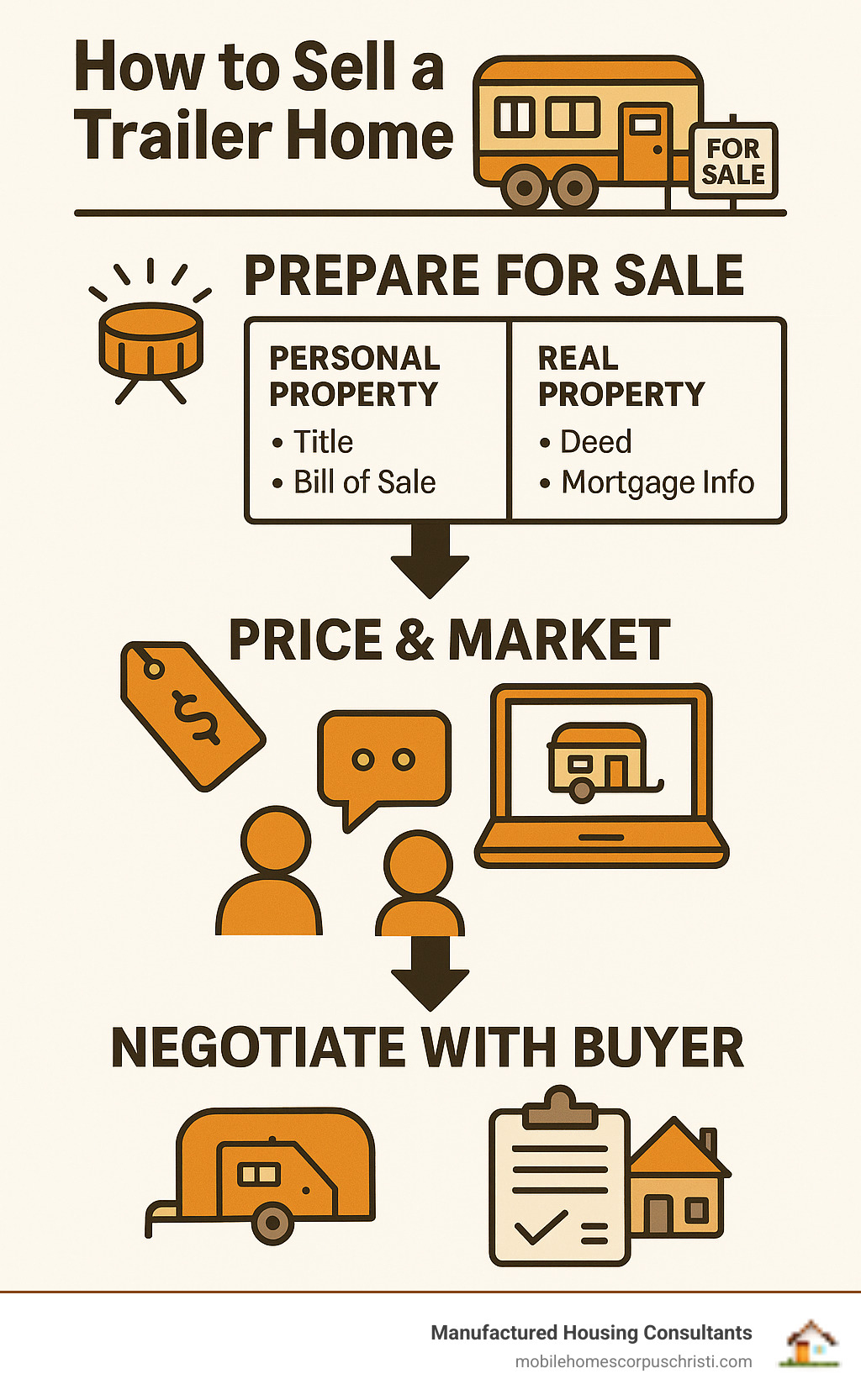
- Prepare Your Documentation – Gather title, bill of sale, and occupancy certificates.
- Price Competitively – Account for 3-5% annual depreciation and market conditions.
- Market Effectively – Use specialized websites and highlight unique features.
- Steer the Closing – Handle title transfer and meet park requirements (if applicable).
The manufactured housing market is projected to reach $24.42 billion in 2023 and grow at 5.8% annually through 2032. With the average manufactured home priced around $121,600, sellers need specialized knowledge to steer this market.
The biggest difference is that your mobile home might be classified as personal property (like a car) rather than real estate, which completely changes the sales process. If your home is on rented land in a mobile home park, you must also work with park management and follow their buyer approval process.
Understanding these differences upfront saves time and money. The process involves different paperwork, buyer financing options, and closing procedures than traditional home sales.
Step 1: Pre-Sale Preparations and Paperwork
Before listing your home, it’s crucial to handle the groundwork. This phase involves understanding your property’s legal classification, organizing paperwork, and making the home presentable. A prepared seller inspires buyer confidence and ensures a smoother transaction.
Real vs. Personal Property: What Are You Selling?
When learning how to sell a trailer home, the most critical question is whether you’re selling real or personal property, as this dictates the entire process.
-
Real Property: If your mobile home is permanently attached to a foundation on land you own, it’s likely real property. The home’s DMV title has been retired (“de-titled”), and its ownership is recorded with the land’s deed. You pay combined property taxes, and buyers can use traditional financing like FHA or VA loans.
-
Personal Property (Chattel): If your home is on leased land (like in a mobile home park) or can be moved, it’s personal property. About half of all manufactured home residents don’t own their land. Selling is like transferring a vehicle title, and buyers typically need specialized chattel loans or cash.
| Feature | Real Property | Personal Property (Chattel) |
|---|---|---|
| What You’re Selling | Home permanently attached to owned land | Mobile home that can be moved or sits on leased land |
| Title Situation | Usually de-titled, ownership recorded with property deed | DMV-issued title like a vehicle |
| Buyer Financing | Traditional mortgages (FHA, VA, Conventional) | Chattel loans, personal loans, cash, owner financing |
| Transfer Process | Real estate closing with deed transfer | Title transfer through DMV, bill of sale |
| Tax Structure | Real estate property taxes | Personal property taxes, sales tax on home |
Understanding this distinction is key. For more details, see our guide on mobile home living.
Gather Your Essential Documents
With your property type identified, gather the necessary paperwork to show buyers you’re organized and serious.
- Transfer of Title: For personal property, this is your proof of ownership. If lost, get a replacement from your state’s DMV. Most states provide duplicate title information online.
- Bill of Sale: A written, binding agreement detailing the transaction terms.
- Proof of Paid Taxes: Assures buyers they aren’t inheriting outstanding tax obligations.
- Certificate of Occupancy: May be required to prove the home meets local safety codes, especially if moved or renovated.
- Warranty Deed: Needed for real property to transfer ownership of the home and land.
- Lease Agreement: If in a park, have a copy for buyers to review lot rent and rules.
How to sell a trailer home by maximizing its appeal
First impressions are critical for attracting buyers. Make your home irresistible, both in person and in online photos.

- Clean and Declutter: Perform a deep clean of the entire home, focusing on kitchens and bathrooms. Pack away personal items like family photos so buyers can envision their own belongings in the space.
- Make Minor Repairs: Fix leaky faucets, squeaky doors, and chipped paint. Small issues can be red flags for buyers, suggesting larger, hidden problems. Consider repainting walls in neutral colors to brighten the interior.
- Boost Curb Appeal: Ensure the exterior is tidy. Mow the lawn, neaten landscaping, and power wash the siding. Repair or replace damaged skirting, as it significantly impacts the home’s appearance.
For more strategies, our Tips for Selling a Mobile Home guide offers comprehensive advice. Your preparation efforts will pay off in attracting serious buyers and securing a better price.
Step 2: Pricing and Marketing Your Trailer Home
With your home prepared and documents in order, the next step is setting the right price and creating a marketing plan to attract buyers. This is a critical phase when learning how to sell a trailer home effectively.
How to sell a trailer home with the right price tag
Pricing a mobile home is different from traditional real estate. While houses often appreciate, mobile homes typically depreciate between 3-5% annually. Understanding this is key to setting a realistic price.
The average manufactured home price is around $121,600, but your home’s value depends on its age, condition, location, and any upgrades. To determine a competitive price:
- Research comparable sales: See what similar mobile homes in your area have actually sold for.
- Get a professional appraisal: An appraiser specializing in manufactured homes provides the most accurate valuation. The National Appraisal Guide is a useful starting point.
- Factor in location and features: A home in a well-maintained park with amenities will fetch a higher price. Upgrades like a new deck, modern appliances, or energy-efficient windows also add value.
The goal is to set a price that attracts serious buyers for a quick, smooth sale.
Creating an Irresistible Listing to Attract Buyers
With 93% of buyers starting their search online according to the National Association of Realtors, a compelling digital listing is essential.
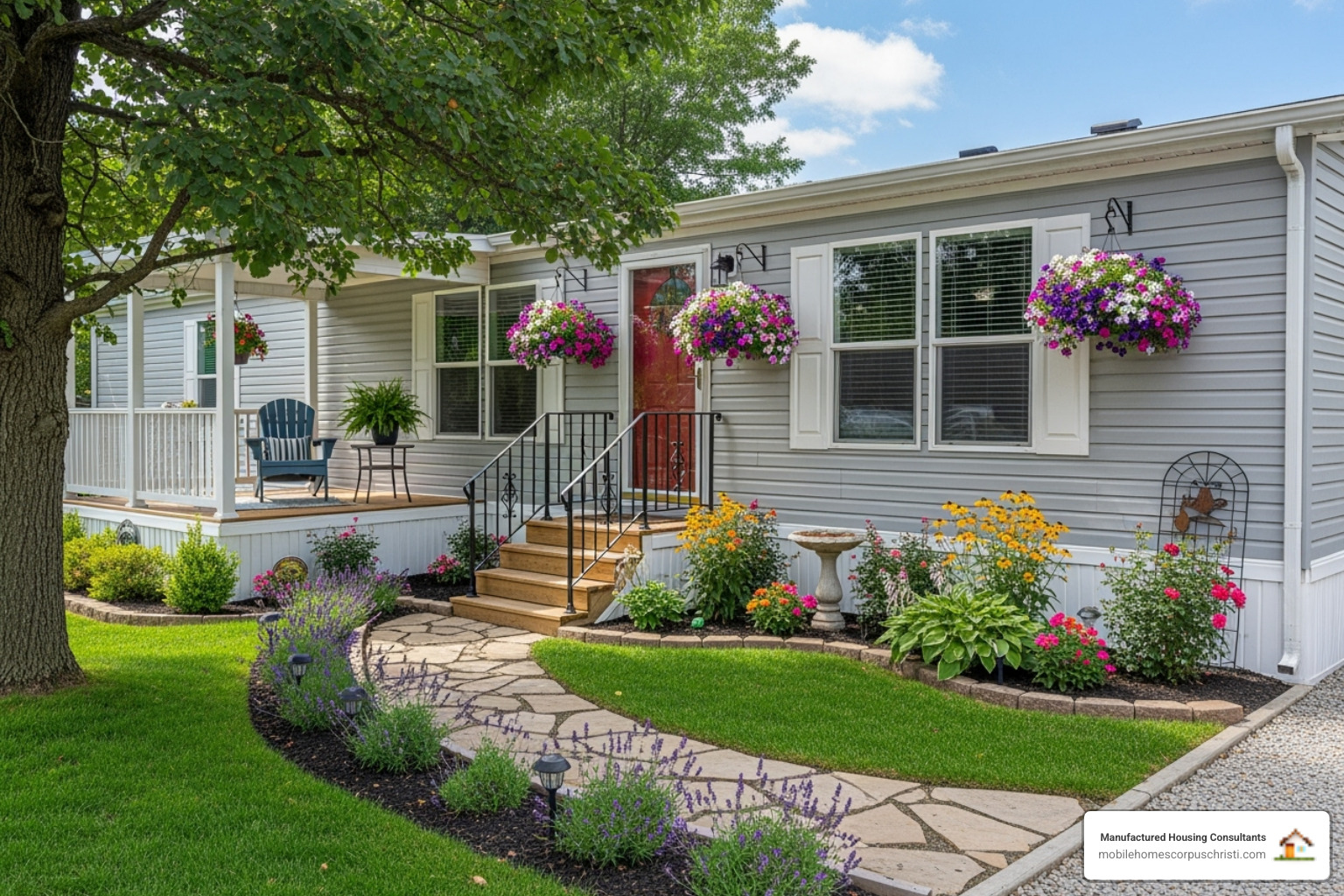
- Use high-quality photos and video: Clear, well-lit photos of every room and the exterior are non-negotiable. A video or 3D tour can make your listing stand out.
- Write a detailed description: Include basics like make, model, year, and dimensions. Also, paint a picture of life in the home, highlighting recent upgrades, a spacious kitchen, or a cozy master suite.
- List on the right platforms: Use specialized websites for manufactured homes to reach a targeted audience. Share your listing on social media groups for mobile home sales.
Being transparent about your home’s condition builds trust, as buyers want to know what to look for when buying a used mobile home. A great listing combined with realistic pricing is the key to success.
Step 3: Navigating Buyers, Offers, and Financing
Once inquiries start coming in, you’ll need to vet potential buyers, negotiate offers, and understand their financing. This part of learning how to sell a trailer home requires navigating options that differ from traditional real estate.
Understanding Common Buyer Financing Options
Financing for mobile homes can be complex. Understanding the common types helps you work effectively with potential buyers.
- FHA and VA Loans: These government-backed loans are great options but have strict requirements. The home must be built after June 15, 1976, meet safety standards, and be on a permanent foundation. Be prepared for inspections and potential repairs.
- Chattel Loans: This is the most common financing for homes classified as personal property (e.g., in a park). These loans are for the home only, not the land, and typically have shorter terms and higher interest rates than mortgages.
- Owner Financing: You act as the bank, with the buyer making payments directly to you after a down payment. This can attract a wider pool of buyers but requires a solid legal agreement to mitigate risk.
- Cash Buyers: This is the simplest option, involving a direct payment without any lending institutions. These deals close quickly and with fewer complications.
Our Mobile Home Loans or Financing guide offers more detail, and our Top 7 Mobile Home Financing Tips can help you understand the buyer’s perspective.
The Power of a Cash Offer
A cash offer is often the best-case scenario when you sell a trailer home, even if it’s slightly below the asking price. The advantages are significant:
- Speed: Cash deals can close in days or weeks, not months.
- Certainty: There is no financing contingency, eliminating the risk of a loan falling through at the last minute.
- Simplicity: Many cash buyers purchase homes “as-is,” saving you the time and expense of making repairs. The paperwork is also much simpler.
- Peace of Mind: A cash offer provides a clear, straightforward path to closing without the stress of lender approvals and appraisals.
While a financed offer might be higher, the speed, certainty, and reduced hassle of a cash sale often make it the superior choice. You can learn more about the benefits from a buyer’s perspective in our guide on the Advantages of Buying a Mobile Home with Cash.
Step 4: Closing the Deal and Overcoming Challenges
We’re in the home stretch now! The final phase involves navigating the closing process, which can include working with park management and overcoming potential last-minute problems.
The Mobile Home Park’s Role in the Sale
If your home is in a park, the management is a key player in the sale. They must approve any new resident before the transaction can be finalized.
- Buyer Approval: Park management will vet potential buyers through background and credit checks. This process can take several days or weeks, so encourage your buyer to apply early.
- Lot Rent and Fees: Be transparent with buyers about all monthly costs, including lot rent, fees, and any planned increases.
- Right of First Refusal: Some park leases give the landlord the first option to buy your home by matching an outside offer. Check your lease agreement for this clause.
- Park Rules: Familiarize yourself and the buyer with all park rules regarding sales, such as restrictions on “For Sale” signs.
Finalizing the Sale: The Closing Process
The closing process makes the sale official. It varies slightly depending on whether the home is personal or real property.

Key steps include:
- Signing the Bill of Sale: This document legally transfers ownership and details the terms of the sale.
- Transferring the Title/Deed: For personal property, you’ll sign over the title at the DMV. For real property, a title company or attorney will handle the deed transfer.
- Notarizing Documents: The bill of sale and title transfer typically require a notary’s stamp to be legally binding.
- Handing Over Keys: Provide the buyer with all keys to the home, mailbox, and any storage units.
- Settling Finances: You will receive payment and use it to pay off any outstanding loans, taxes, or park fees.
Potential Challenges and How to Overcome Them
Even well-planned sales can face challenges. Here’s how to handle common issues:
- Depreciation: Mobile homes lose 3-5% of their value annually. Price realistically based on the current market, not your original purchase price. Focus on cost-effective cosmetic upgrades.
- Financing Issues: Buyer financing can fall through. Encourage buyers to get pre-approved. Be open to cash offers or owner financing, which are often more reliable.
- Moving Costs: Relocating a mobile home is expensive, costing $8,000 to $12,000 or more. Homes built before June 1976 often cannot be moved. Be upfront about these costs and regulations with potential buyers.
- Finding Qualified Buyers: The buyer pool can be smaller than for traditional homes. Market widely on specialized manufactured home websites and social media to reach the right audience. Be honest about the home’s condition to attract serious, qualified buyers.
Frequently Asked Questions about Selling a Trailer Home
Here are concise answers to the most common questions sellers have when learning how to sell a trailer home.
What is the main difference between selling a mobile home and a traditional house?
The primary difference is property classification. A traditional house is real property (land and structure sold together). A mobile home is often personal property (like a vehicle), especially if on leased land. This affects the entire process, including the title transfer, financing options available to buyers, and the appraisal process, which accounts for depreciation.
What documents are typically required to sell a mobile home?
The essential documents include:
- Title: The proof of ownership for personal property homes.
- Bill of Sale: The legal agreement detailing the sale terms.
- Proof of Paid Taxes: To show there are no outstanding tax liens.
- Certificate of Occupancy: May be required by local authorities to prove the home is habitable.
- Lease Agreement: If in a park, for the buyer to review lot rent and rules.
What are the advantages of selling a mobile home for cash?
Cash offers are highly advantageous when you sell a trailer home. The main benefits are:
- Speed: Closing can happen in days instead of months.
- Certainty: There’s no risk of buyer financing falling through.
- Simplicity: Cash buyers often purchase “as-is,” saving you repair costs, and the paperwork is minimal.
- Less Stress: You avoid the complexities and delays of dealing with lenders.
Conclusion: Your Next Steps to a Successful Sale
You now have a complete roadmap on how to sell a trailer home. While the process is unique, it is manageable with the right knowledge and preparation.
To recap, success hinges on understanding your home’s classification as real or personal property, which dictates the paperwork and financing options. Thorough preparation—cleaning, repairs, and decluttering—is essential for attracting buyers and maximizing your price. It’s crucial to price your home realistically, accounting for the typical 3-5% annual depreciation. Effective marketing with high-quality photos and listing on specialized sites will attract the right audience. Finally, be prepared to steer buyer financing, work with park management if applicable, and understand the benefits of a cash offer.
The manufactured housing market is strong, projected to grow 5.8% annually through 2032, meaning buyers are actively looking. The average home sells for around $121,600, presenting a significant opportunity for sellers.
At Manufactured Housing Consultants, we are experts in this market. We offer the largest selection of new mobile and manufactured homes from 11 top manufacturers, with guaranteed lowest prices and specialized financing for all credit situations. We deliver homes anywhere in Texas.
If you’re ready for your next step, consider our option to Trade-In or Sell Us Your Old Mobile Home. Letting professionals handle the sale can be the easiest path forward. With the right strategy, you are well-equipped for a successful mobile home sale.