
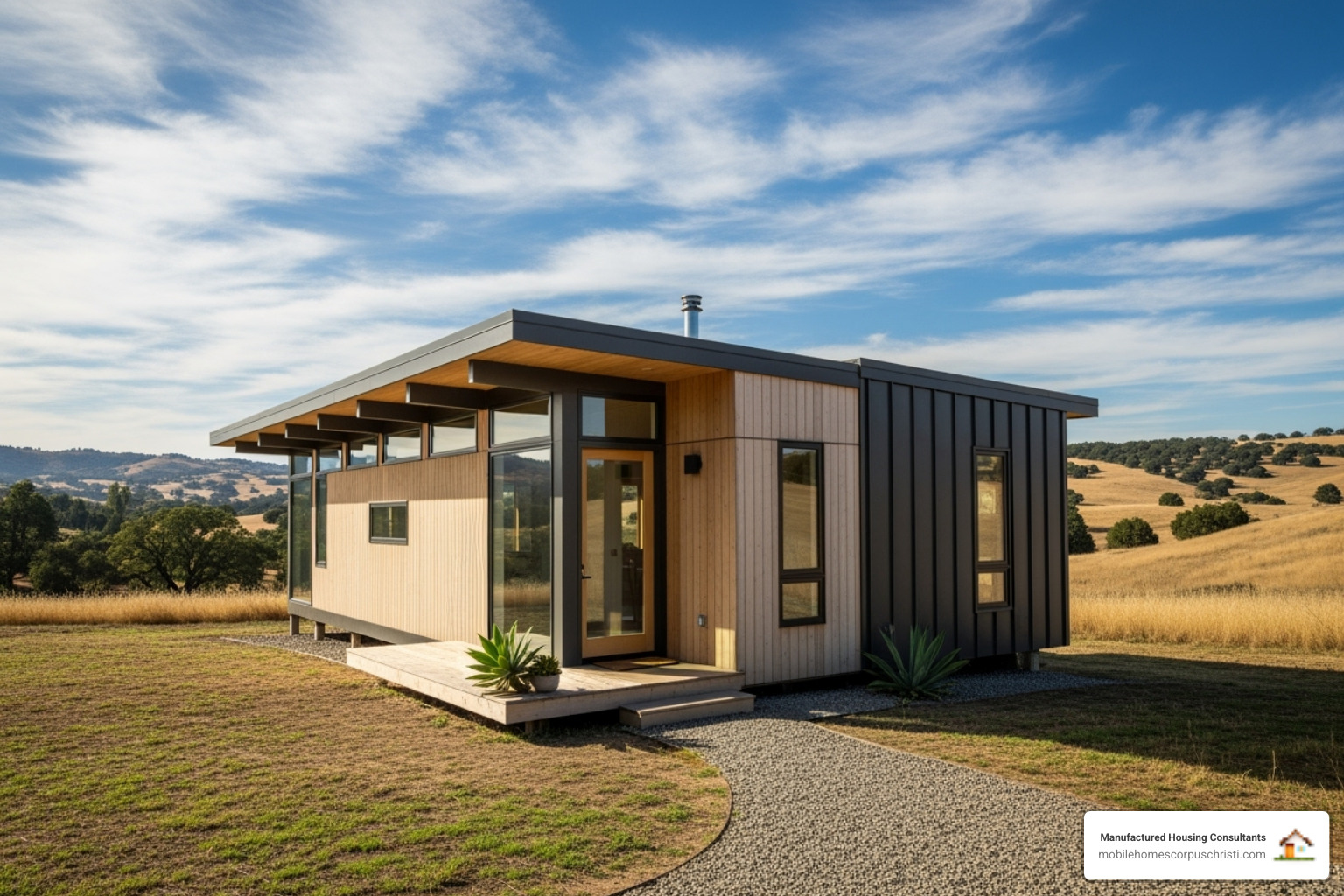
Why Affordable Housing Matters More Than Ever
A low cost prefab house is a factory-built home that typically costs 20-50% less than traditional construction. Prices can range from $50,000 to $200,000, depending on the size and features. These homes are built off-site in controlled environments and then transported to your land for assembly, offering faster construction times (3-6 months vs. 12-24 months) and significantly less waste.
Key Low-Cost Prefab Options:
| Type | Price Range | Build Time | Best For |
|---|---|---|---|
| Manufactured Homes | $50,000-$150,000 | 2-3 months | Tightest budgets |
| Modular Homes | $90,000-$200,000+ | 3-6 months | Customization needs |
| Kit Homes | $50,000-$100,000 | 4-9 months | DIY builders |
Traditional home building is notoriously wasteful, with up to 15% of materials ending up in landfills. This waste isn’t just an environmental issue; it’s a cost passed directly to homebuyers.
Prefab homes flip this equation. By building in factories with assembly-line precision, manufacturers calculate exact material needs, dropping waste from 25% on traditional sites to under 5%. The savings also come from faster build times, lower labor costs, and bulk material purchasing. While your foundation is prepared on-site, your home is built simultaneously in the factory, shrinking a year-long project to just a few months.
For families facing rising home prices, prefab homes offer a realistic path to ownership. Today’s low-cost prefab houses feature modern designs, energy-efficient construction, and customization options that deliver quality and durability while keeping costs manageable.
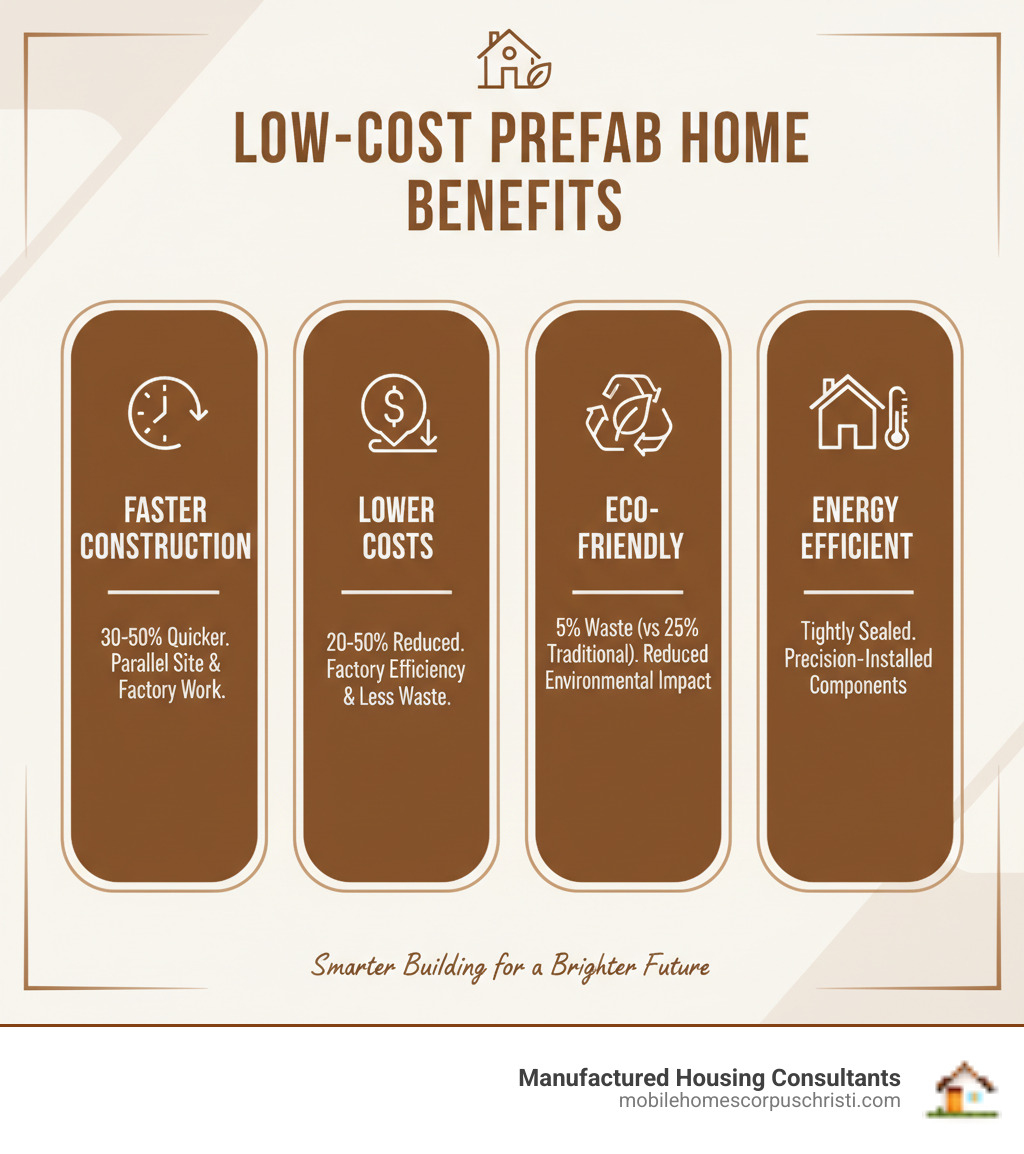
What Makes Prefab Homes So Affordable?
A low cost prefab house offers a more accessible path to homeownership by avoiding the pitfalls of traditional construction, like weather delays and material theft. Prefab factories operate like finely tuned machines, creating efficiencies that translate directly into savings.
Research from McKinsey shows that modular construction can reduce overall costs by 20-50% compared to traditional building methods. These savings come from factory efficiency, bulk material purchasing, reduced labor costs, minimized waste, and faster timelines.
The Science of Savings in Factory Construction
The factory setting transforms homebuilding from a craft into a science.
- Assembly Line Process: Homes are built in streamlined stages, eliminating the downtime common on traditional construction sites.
- Specialized Labor: Factory workers focus on specific tasks like framing or plumbing, making them highly efficient. This also helps overcome the skilled labor shortage that often inflates site-built home prices.
- Weather-Independent Construction: Building indoors prevents costly weather delays from rain, snow, or extreme heat.
- Quality Control: Meticulous checkpoints at every stage catch issues early, reducing the need for expensive rework and ensuring a higher quality product.
- Faster Framing: Prefab homes require up to 60% less framing time, significantly cutting labor costs and overall construction time.
How Smart Material Use Cuts Costs
Prefab construction is incredibly efficient with materials, a stark contrast to the overflowing dumpsters at traditional build sites where up to 15% of materials are wasted.
- Precise Calculations: Manufacturers calculate the exact amount of material needed, dropping waste from 25% on traditional sites to under 5% in factories.
- Bulk Purchasing: Buying materials in massive quantities allows manufacturers to secure significant discounts, which are passed on to you.
- Protected Storage: Storing materials in the factory protects them from weather damage, theft, and vandalism, further cutting replacement costs.
By slashing hard costs like materials and labor, low cost prefab house options make homeownership a more attainable goal. For more information on planning your finances, check out our guide on budgeting for your new home.
Exploring the Types of Low Cost Prefab House Options
“Prefabricated” is an umbrella term for homes built partly or entirely in a factory. Understanding the different types of low cost prefab house options is key to finding the right fit for your budget and goals. The main differences involve building codes, foundation types, and customization levels, all of which impact final cost and move-in time.
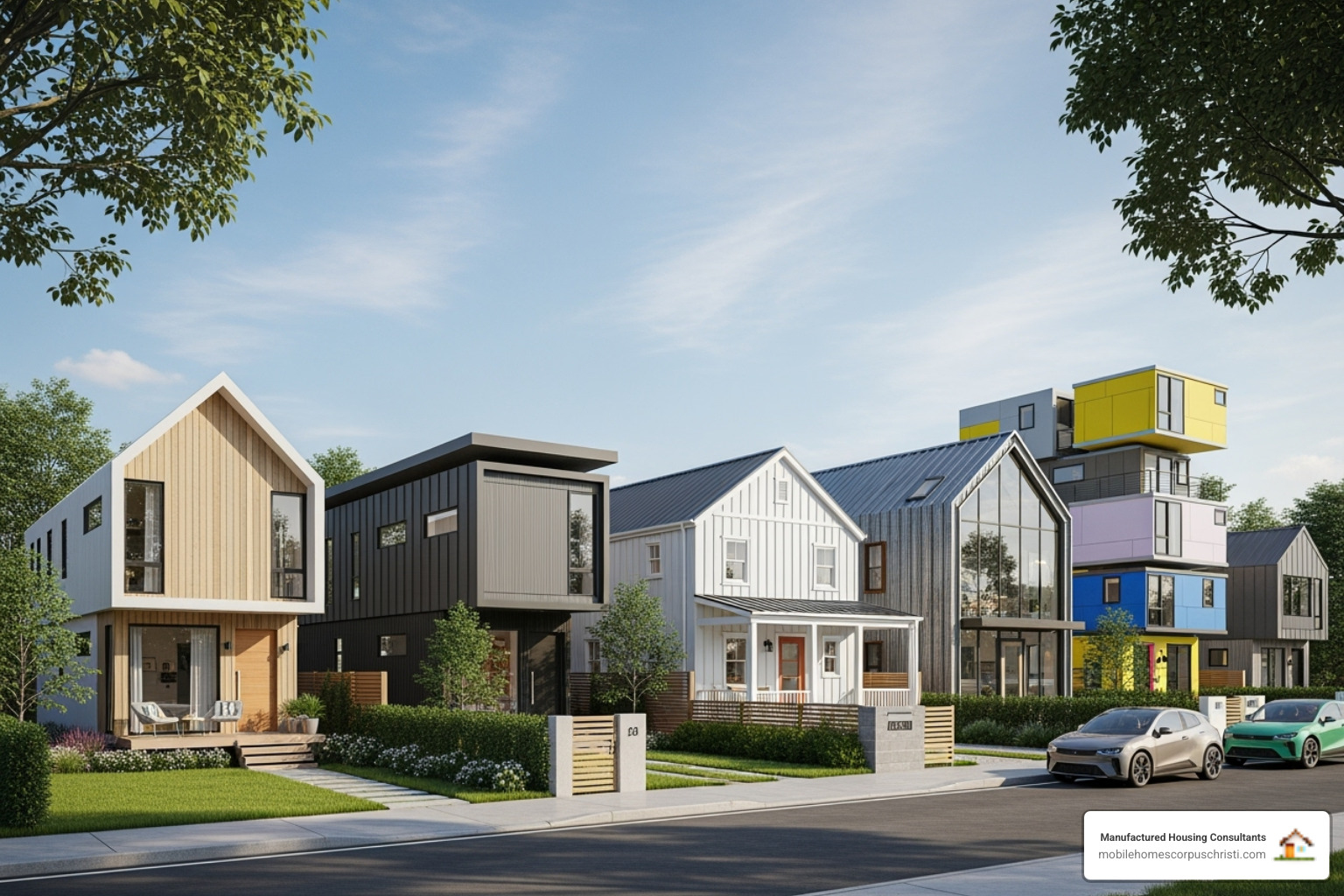
- Manufactured Homes: Built entirely in a factory on a permanent steel chassis, these homes follow the federal HUD code. They are the most affordable option with the fastest build times (2-3 months) but offer limited customization.
- Modular Homes: Constructed in factory-built sections (modules) and assembled on a permanent foundation, these homes follow the same local codes as traditional houses. They offer high design flexibility and are indistinguishable from site-built homes once complete.
- Panelized Homes: Wall panels and floor systems are built in a factory and shipped flat for on-site assembly. This method allows for high customization and often uses advanced materials like Structural Insulated Panels (SIPs).
- Kit Homes: This is the most hands-on option, where all materials arrive pre-cut and numbered for assembly. It can be incredibly affordable for DIY builders or those willing to act as a general contractor.
| Type | Cost Range | Build Time | Customization | Foundation Type |
|---|---|---|---|---|
| Manufactured Homes | $50,000-$150,000 | 2-3 months | Limited | Pier & beam or slab |
| Modular Homes | $90,000-$200,000+ | 3-6 months | High | Permanent foundation |
| Panelized Homes | $80,000-$180,000 | 4-8 months | High | Permanent foundation |
| Kit Homes | $50,000-$100,000 | 4-9 months | Varies | Varies by design |
Modular Homes: The Building Block Approach
Modular homes are a popular low cost prefab house choice for those who want quality and personal style. Built as nearly complete 3D sections in a factory, modules arrive with plumbing, wiring, and finishes already installed. A crane assembles them on your foundation, and within days, you have a complete home. Because they are built to the same local codes as site-built homes, they meet strict safety standards and qualify for traditional mortgages, making financing easier. Customization is a major benefit, with endless floor plans and finishes available. You can explore modular home options in our gallery.
Panelized and Kit Homes: A DIY-Friendly Option
For those who want more hands-on control, panelized and kit homes are great alternatives.
Panelized homes use factory-built wall and floor panels that are assembled on-site. Many use Structural Insulated Panels (SIPs), which are strong, energy-efficient, and quick to assemble. Learn more about What are SIPs?. This method combines the speed of prefab with the design freedom of a custom build.
Kit homes take the DIY approach further, delivering a complete package of pre-cut, numbered materials. This can offer substantial savings if you have construction skills or can manage contractors. While it requires the most on-site labor, a kit home offers an affordable path to a custom home built with your own hands.
The Major Advantages Beyond Just Price
While affordability is a key draw, a low cost prefab house offers major benefits in speed, quality, and sustainability.
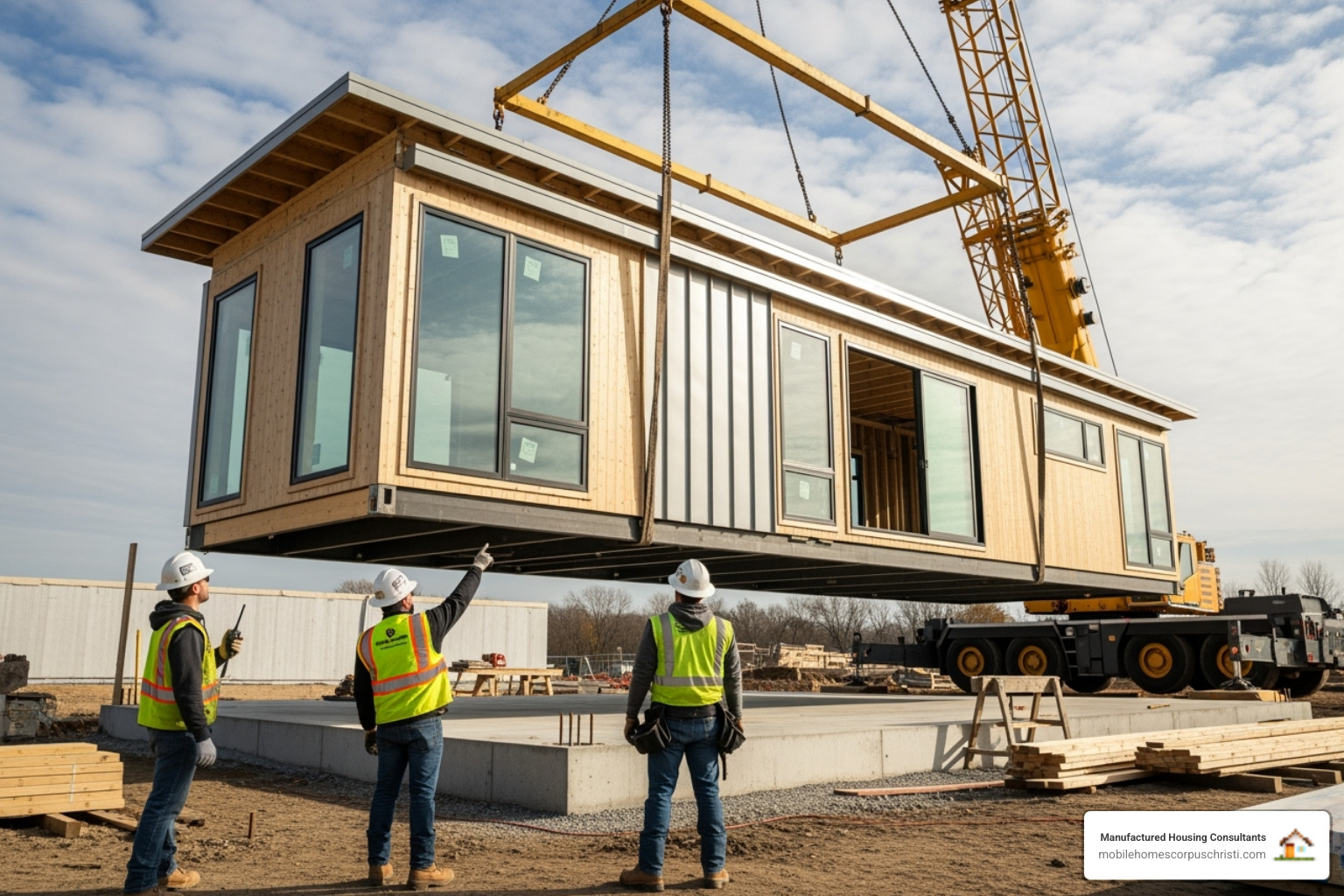
Faster Timelines: From Factory to Move-In
Prefab construction can cut your wait time for a new home by half. The secret is parallel processing: your foundation is prepared on-site while your home is built simultaneously in a factory. This, combined with the elimination of weather delays, results in a 30 to 50 percent faster timeline than traditional construction. You could move into your new home in just three to six months. Ready to get started? Learn about the home buying process with us.
Improved Quality and Durability
Affordable doesn’t mean flimsy. Low cost prefab houses are often built to higher standards than their site-built counterparts. The controlled factory environment protects materials from weather damage, while full-time, specialized tradesmen ensure consistent, high-quality work.
Crucially, a prefab home must be built with superior structural integrity to withstand transport by truck and crane. A FEMA study after Hurricane Andrew found that modular homes performed better than most site-built homes, a testament to their durability.
Sustainability and Energy Efficiency
A low cost prefab house delivers impressive environmental benefits. By using precise material calculations, prefab construction slashes waste from 25% down to under 5%. This saves resources and money.
The energy efficiency is also remarkable. Factory assembly creates tightly sealed building envelopes that prevent air leaks, significantly lowering your heating and cooling bills. Since most work happens off-site, there is also less noise and disruption to your land and neighborhood. For those interested in maximizing these benefits, exploring energy efficient mobile homes is a fantastic next step.
Budgeting for Your Prefab Home: What to Expect
Understanding the true cost of a low cost prefab house requires looking beyond the advertised base price. With a clear picture of all expenses, you can budget confidently and avoid surprises.
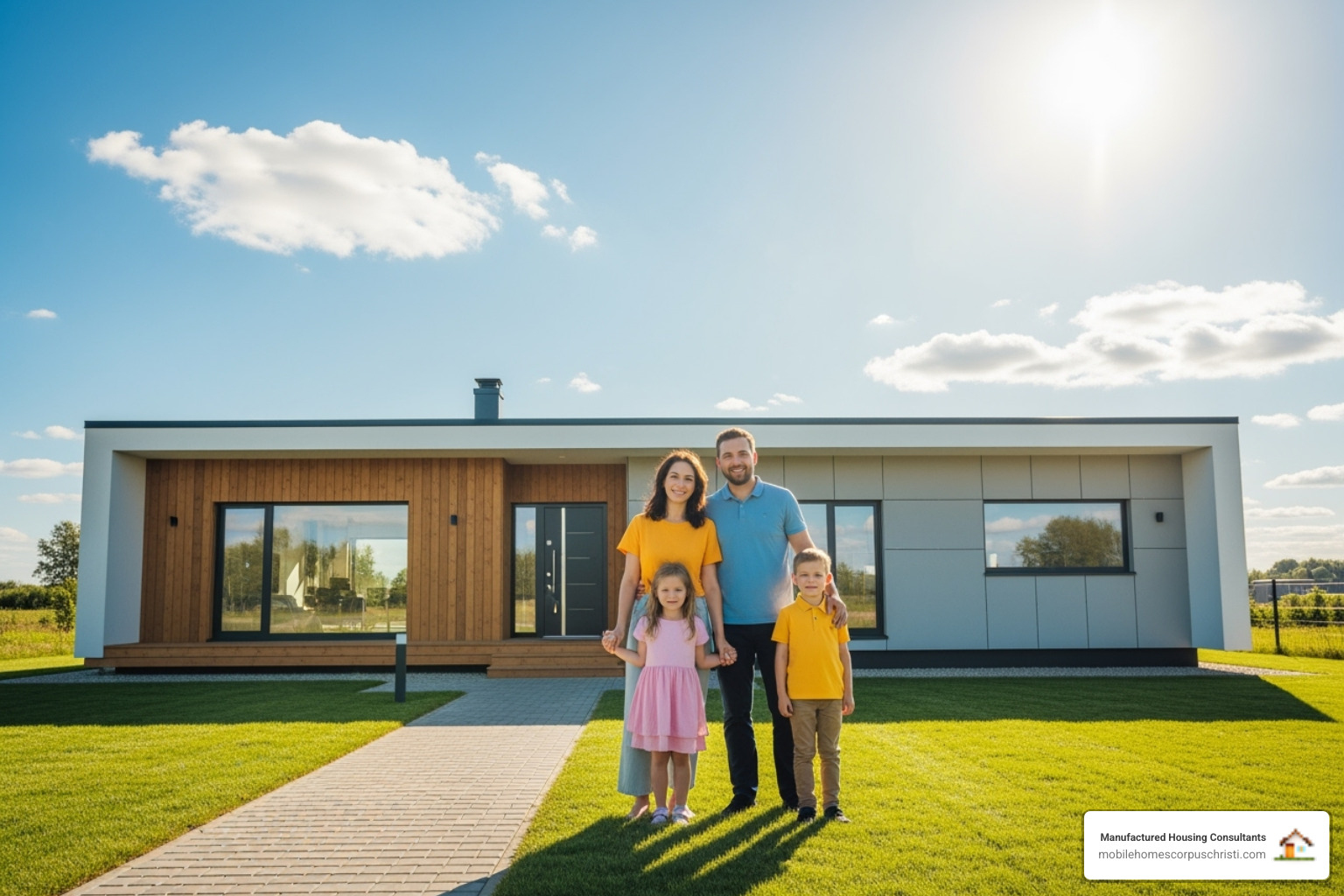
The Base Price of a Low Cost Prefab House
The manufacturer’s quoted price for a low cost prefab house typically covers the structure itself as it leaves the factory. This includes the framework, siding, roofing, windows, doors, and basic interior finishes, fixtures, and appliances.
Cost per square foot can range from $50-$70 for a basic manufactured home to $90-$150+ for a more customized modular home. Upgrades like premium countertops or flooring will increase the base price. To get a sense of current market pricing, check out the current mobile home prices we offer.
Additional Costs to Factor In
The base price doesn’t include “site costs,” which can add $50,000 to $100,000 or more to your project. Be sure to budget for:
- Land: The cost varies wildly by location.
- Site Preparation: Clearing trees and grading the land for proper drainage. Our expert site preparation services can handle this for you.
- Foundation: A crawl space, basement, or concrete slab.
- Utility Connections: Water, sewer or septic, electricity, and gas lines.
- Transportation & Assembly: Delivery fees and crane rental for setting the home.
- Permits & Fees: Required by your local municipality.
- Landscaping: To add curb appeal and make your house a home.
For a complete breakdown, our guide on budgeting for your new manufactured home is a great resource.
Navigating Financing for a Low Cost Prefab House
Financing a low cost prefab house is entirely doable. The right loan depends on the home type.
Modular and panelized homes on land you own are considered real property and qualify for standard construction-to-mortgage loans (including FHA, VA, or USDA). Manufactured homes often use chattel loans (personal property loans), but may qualify for a traditional mortgage if permanently affixed to land.
Your credit score is important, but we believe everyone deserves a path to homeownership. We offer specialized financing options for manufactured homes and work with buyers facing credit challenges through our financing for bad credit programs, including FICO improvement assistance. We’re here to guide you to the best terms for your situation.
Frequently Asked Questions about Prefab Homes
It’s natural to have questions about a low cost prefab house. Here are answers to some of the most common ones.
How long do prefab homes last?
Modern prefab homes are built to meet or exceed the quality standards of traditional homes. Because they must be strong enough to be transported by truck and crane, they often feature reinforced construction. With proper maintenance, a well-built prefab home can easily last 50 to 100 years or longer. The controlled factory environment and rigorous quality checks also contribute to a durable, long-lasting structure.
How do prefab homes help with the housing crisis?
Prefab construction directly addresses the housing crisis in several ways. By reducing construction time by 30-50% and lowering costs by 20-50%, it delivers more homes to families faster and more affordably. This increases the housing supply and opens the door to homeownership for people who might otherwise be priced out of the market. The efficient factory model also helps overcome the construction labor shortage.
What are the biggest challenges when buying a prefab home?
While the benefits are substantial, there are a few challenges to be aware of.
- Financing: The loan process can differ from a traditional mortgage, especially for manufactured homes. Working with a dealer who specializes in prefab financing is key.
- Zoning Regulations: Some local rules may be outdated regarding factory-built homes. It’s crucial to research local zoning laws for your land early in the process.
- Logistics: Transporting and setting up large home modules requires careful coordination.
These challenges are manageable with thorough research and by partnering with an experienced professional who can guide you through financing, zoning, and logistics.
Your Path to Affordable Homeownership
The dream of homeownership is within reach. A low cost prefab house is a smart, sustainable, and budget-friendly alternative to traditional construction, offering 20-50% lower costs and move-in times as short as three months.
We’ve covered the different home types, the full range of costs beyond the base price, and the major benefits like superior quality and energy efficiency. By understanding the process, including potential challenges like financing and zoning, you can move forward with a clear plan.
For buyers in Texas, the journey is even simpler. At Manufactured Housing Consultants, we help families turn the dream of homeownership into reality. We offer the largest selection from 11 top manufacturers, guaranteed lowest prices, and specialized financing for all credit situations—including FICO improvement assistance. We deliver homes anywhere in Texas, so your perfect location is within reach.
A low cost prefab house makes homeownership accessible and exciting. Ready to take the next step? We’re here to guide you through selecting a home, securing financing, and coordinating installation. Let’s find the home that fits your needs, budget, and dreams.
Explore affordable mobile homes in Corpus Christi today! Your new home is waiting.