
Understanding the True Cost of Your Future Home
Prices on prefab homes in Texas typically range from $50,000 to over $200,000 for the home itself, but the total move-in cost often reaches $100,000 to $400,000+ once you include land, site preparation, delivery, and finishing. Here’s what determines your final investment:
Quick Price Breakdown:
- Single-wide homes: $40,000-$80,000 base price (600-1,200 sq ft)
- Double-wide homes: $75,000-$200,000+ base price (1,200-2,500 sq ft)
- Cost per square foot: $70-$160 for the factory-built home
- Site costs: Add 30-60% of the base price for foundation, utilities, and installation
- Land: Varies widely by location in Texas
While manufactured homes appear cheaper than traditional houses, the advertised price is just the beginning. Unlike a site-built home with one final number, prefab homes have several cost layers. The base price you see is FOB (Freight On Board) Plant—the home’s cost before it leaves the factory. It excludes delivery, foundation, utility connections, and other expenses.
This can cause confusion, as one dealer might quote $80,000 while another says $150,000 for a similar home, simply because they are including different services. Understanding what drives these costs helps you budget accurately and avoid surprises. Knowing the real numbers means you can plan confidently and find genuine savings.
Deconstructing the Base Price: Types and Typical Costs
When shopping for a manufactured home, the first number you’ll see is the base price. This is the cost straight from the factory, also known as FOB Plant (Freight On Board Plant). It covers the factory-built structure—walls, roof, floors, and standard fixtures—but does not include delivery, setup, or finishing work. It’s the starting point for understanding prices on prefab homes, but it’s not the final cost.
Manufactured homes are built in factories to federal HUD standards, distinguishing them from modular homes, which follow local building codes. In Texas, manufactured homes are the primary affordable prefab option, and they’re what we specialize in at Manufactured Housing Consultants. The biggest factor in the base price is the home’s size and type, which usually falls into two categories: single-wide homes and double-wide homes.
Comparing Manufactured Home Types
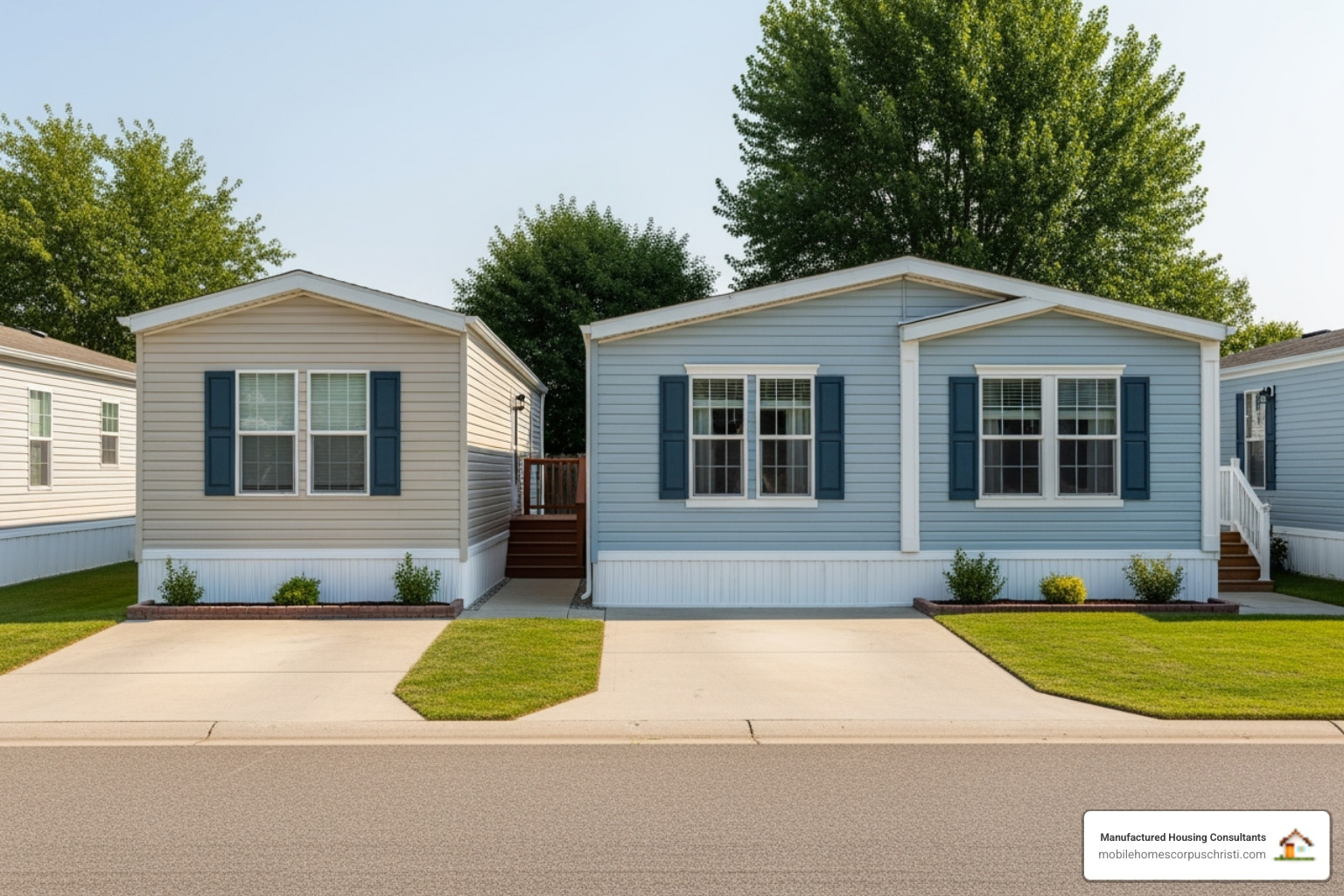
Single-wide homes are built and transported as one long section, making delivery less expensive. They are ideal for individuals, couples, or small families seeking quality construction without excess space.
Double-wide homes consist of two sections built and transported separately, then joined on-site. They offer more square footage and floor plan flexibility, often rivaling traditional homes in size and features.
Here’s how they compare:
| Home Type | Typical Size (Sq Ft) | Base Price Range (Texas) | Foundation Type | Financing Options |
|---|---|---|---|---|
| Single-Wide | 600 – 1,200 | $40,000 – $80,000 | Pier & Beam | Chattel, FHA, VA |
| Double-Wide | 1,200 – 2,500+ | $75,000 – $200,000+ | Pier & Beam | Chattel, FHA, VA, Conventional |
These are base factory prices and don’t include land, site preparation, delivery, or setup costs.
For more details, explore our complete guide to new manufactured homes. For a general overview, Wikipedia offers information on prefabricated homes.
Average Price Ranges in Texas
For the factory-built portion of your home, expect a cost per square foot of $70 to $160. This range depends on the manufacturer, floor plan complexity, and selected finishes.
Single-wide costs generally run between $40,000 and $80,000 for the base home, offering 1-3 bedrooms. We have models starting as low as $39,999 that are well-designed and budget-friendly.
Double-wide costs start around $75,000 and can exceed $200,000 for luxury models. Most customers choose homes in the $90,000 to $150,000 range for 3-4 bedrooms. For example, a popular 1,920 sq ft model has a base price of $116,799.
Some manufacturers offer turnkey estimates that bundle in other costs, but these can be misleading as every site is different. That’s why we start with the base price and build a custom quote for you, ensuring a clear picture of where your money goes. You can see the variety we offer by browsing our gallery of homes.
These base prices are just the first step. The next sections cover the other costs to turn a factory-built unit into your move-in-ready home.
Key Factors That Influence the Prices on Prefab Homes
After establishing the base price, it’s important to understand what makes one home cost more than another. The prices on prefab homes vary based on the choices you make. The biggest factors are home size (square footage), floor plan complexity, the number of stories, bedrooms and bathrooms, architectural style, material quality, and the level of customization.
How Home Specifications Impact Cost
Square footage is the biggest cost driver; more space means more materials and a higher price, typically ranging from $70 to $160 per square foot for the home itself.
The number of stories also affects cost. A single-story home has a larger footprint, requiring a bigger foundation. A two-story home can be more economical per square foot for larger homes as it stacks space vertically, reducing the foundation size and roof complexity.
Floor plan complexity is another factor. A simple rectangular design is cheaper to build than one with many angles or unique details. The number of sections (single-wide vs. double-wide) impacts transport and assembly, while the internal layout, including the number of bedrooms and bathrooms, drives factory costs due to additional plumbing, walls, and fixtures.
Your chosen architectural style, whether modern, farmhouse, or ranch, can also influence the price if it requires specialized materials or construction methods.
How Customization Affects the Prices on Prefab Homes
Customization is where you make the home yours, and it can significantly shift the prices on prefab homes. While standard finishes are attractive and functional, you can choose from many upgrades.
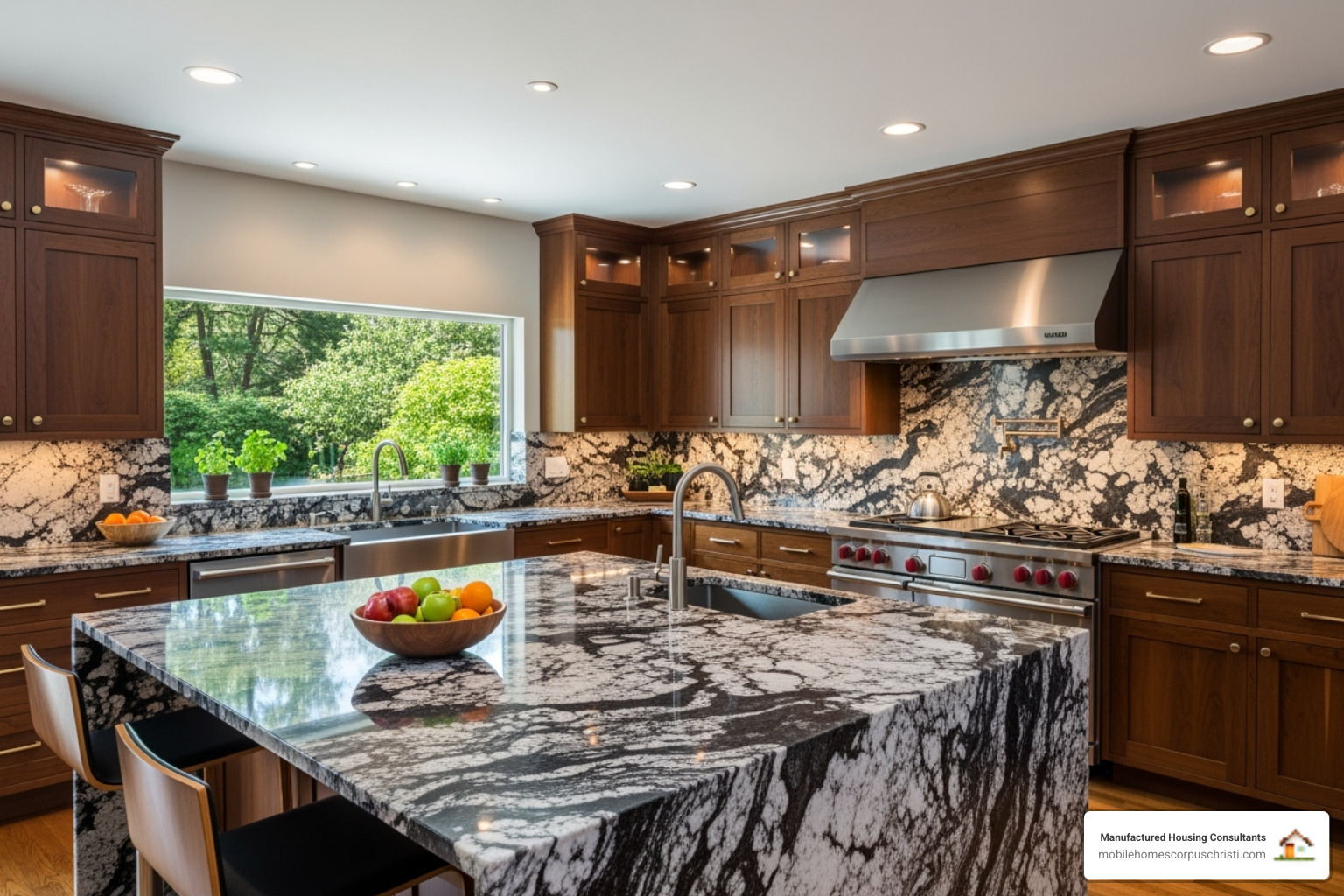
- Luxury Finishes: Upgrading from standard laminate countertops or vinyl flooring to granite, hardwood, or custom cabinetry will increase your investment. Luxury bath upgrades can add around $999 to $1,299.
- Appliance Packages: You can stick with the standard package or upgrade to stainless steel, smart appliances, or specific brands for an additional cost, often from $450 to $2,049.
- Energy-Efficient Upgrades: Options like improved insulation, Low-E Thermopane windows, and smart thermostats cost more upfront but save you money on utility bills over time.
- Exterior Materials: Upgrading from standard vinyl siding to materials like Smart Panel (adding $1,999-$2,499) or adding a protective OSB wrap ($899-$999) affects both appearance and cost. Roofing materials also have different price points.
- Window and Door Upgrades: Larger or specialty windows and upgraded exterior doors can improve your home’s look and feel at varying costs.
- Other Features: Add-ons like a farmhouse sink, an electric or wood-burning fireplace, or extra electrical outlets contribute to the final price. In some coastal areas, a wind zone upgrade (around $4,500 for Wind Zone 2) may be required for safety, adding a substantial cost.
The great thing about manufactured homes is your control over these choices. We guide every buyer through these options to ensure there are no surprises. To get a detailed breakdown, see our guide on what you can expect to spend on a new home.
The Total Cost Equation: Budgeting for Land, Site Work, and Finishing
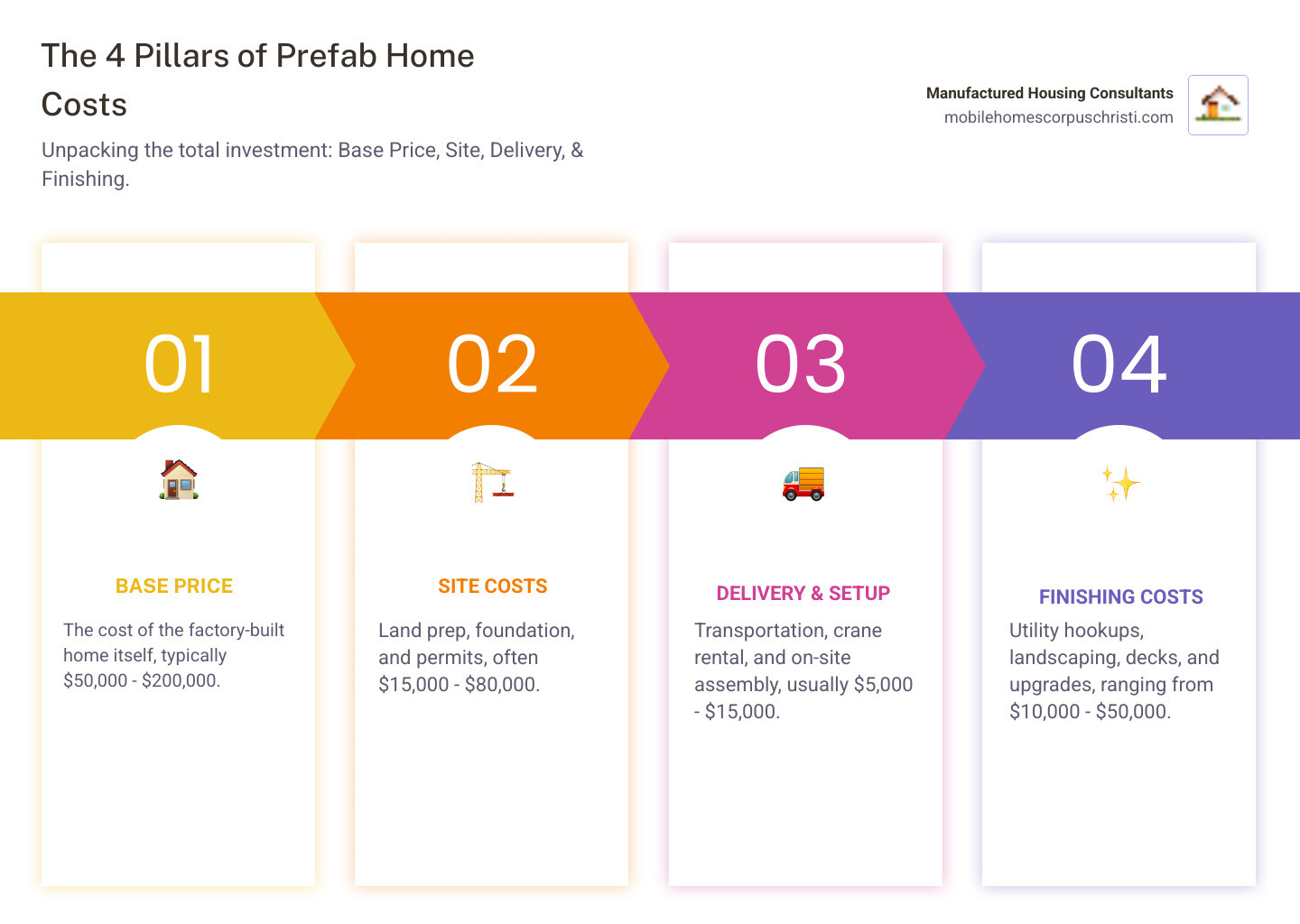
The advertised factory price is just one part of the equation. To understand the real prices on prefab homes, you must budget for the total turnkey cost—the final amount invested before you move in. This includes soft costs like permits and all physical site costs. These additional expenses typically add 30-60% to your base home price.
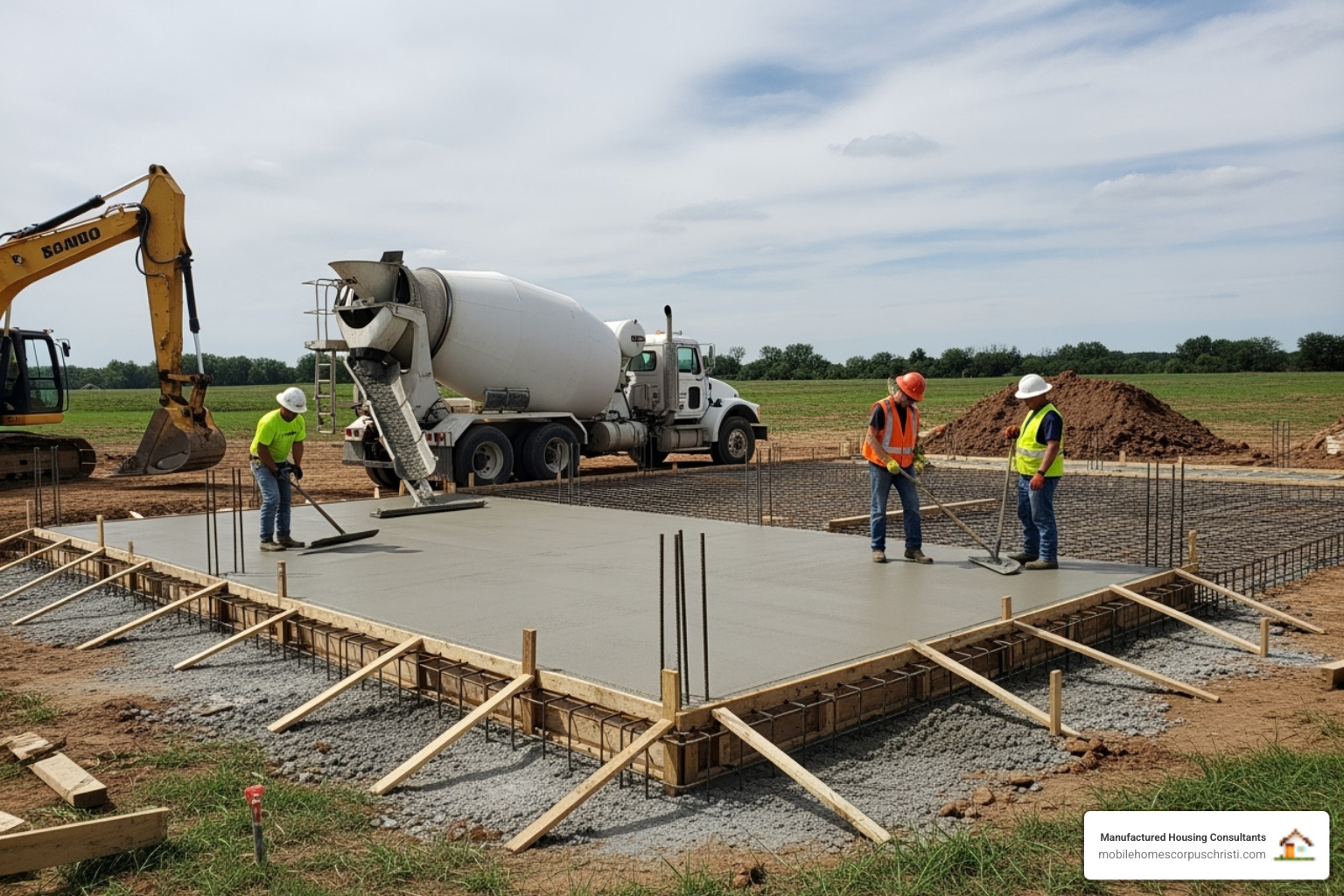
Major costs outside the factory price include land acquisition, site preparation, foundation installation, utility connections, and delivery and installation.
Land and Site Preparation Costs
Your home needs a properly prepared site. If you don’t own land, the land purchase will be a major variable expense. We simplify this with land and home packages that bundle these costs. Before work begins, you’ll need zoning permits from your local municipality.
Physical site work includes land clearing and grading to remove trees and level the site for proper drainage (typically around $2,750, but more for difficult lots). Some areas or lenders may also require soil testing. The foundation is critical; options include a concrete slab or pier and beam construction, with costs typically running $25,000-$50,000. Finally, you’ll need driveway installation.
Delivery, Installation, and Utility Hookups
Once the land is ready, your home is delivered and made livable. Transportation fees cover hauling the home sections to your property and can range from $3,000 to $12,000 or more, depending on distance ($5-$10 per square foot is a good estimate). Difficult sites may require crane rental, which can add $20,000+.
On-site assembly, or “the set,” involves professionals connecting the sections and securing the home to the foundation, typically costing $15,000-$25,000. This is skilled work where quality is paramount.
Utility connections are often the most complex part of the process:
- Water/Sewer: Connecting to municipal services can cost $500-$10,000+. If unavailable, drilling a well ($3,000-$15,000) and installing a septic system ($3,500-$10,000) are necessary.
- Electrical/Gas: Bringing power to the home costs $2,000-$9,000, plus $850-$3,000 for the panel. A natural gas line adds $500-$5,200.
- Plumbing & HVAC: Connecting internal plumbing runs $2,300-$5,200. HVAC installation for heating and air conditioning costs $5,000-$11,000.
Finishing Touches and Administrative Fees
Several final items complete your budget. Building permits and impact fees from local authorities can cost $500-$5,000. Sales tax in Texas adds 5-7% to the home’s base price (often $5,000-$10,000). Basic landscaping averages around $3,200. Optional additions like decks, porches, or a garage/carport add value and should be planned for if your budget allows.
We know this is a lot to track, which is why we offer comprehensive packages to provide clarity from the start and help you avoid surprises.
Financing, Value, and Ways to Save on Your New Home
Understanding how to pay for your home, its long-term value, and where to find savings is crucial. Let’s cover the practical financial side of the prices on prefab homes.
Financing Your Manufactured Home in Texas
Yes, you can get a loan for a manufactured home. We help families across Texas do it every day. Several financing paths are available:
- Chattel Loans: These function like vehicle loans and are used when you own the home but not the land. They typically have shorter terms and slightly higher rates.
- FHA Loans: Government-backed and popular for their low down payment requirements and flexible credit standards. The home must be on a permanent foundation.
- VA Loans: An outstanding benefit for veterans, often requiring zero down payment for qualifying homes on a permanent foundation.
- Conventional Mortgages: Available when the manufactured home is permanently affixed to land you own, similar to loans for site-built homes.
We offer specialized financing for all credit situations, including FICO score improvement programs, to help find a path to homeownership for everyone. Learn more about affordable housing options in Texas.
Lifespan and Resale Value
Forget the outdated myth that manufactured homes depreciate. Modern homes built to federal HUD standards are durable investments that hold their value. With proper maintenance, a manufactured home can last 35 to 75 years or more.
The resale value is also strong. When placed on owned land and well-maintained, manufactured homes often appreciate over time, similar to site-built homes. Location, condition, and regular upkeep are key. This maintenance impact is critical—taking care of your home ensures it remains an appreciating asset, building equity for your family.
How to Save Money on Your Purchase
Here are smart ways to get the best value without sacrificing quality:
- Choose standard floor plans: These are optimized for efficiency, saving you on customization fees.
- Compare manufacturers and models: We offer a large selection from 11 top manufacturers so you can shop for the best price on similar features.
- Consider clearance model mobile homes: Display models and last year’s inventory are often sold at a substantial discount.
- Handle some finishing work yourself: If you’re handy, DIY painting, landscaping, or trim work can save thousands in labor costs.
- Build on accessible land: Property close to existing utilities will dramatically reduce hookup costs.
- Buy the right size: Every extra square foot adds to the initial price and long-term costs for utilities and maintenance.
- Research local incentives: Ask about first-time homebuyer programs or energy-efficiency rebates that can lower your costs.
Frequently Asked Questions About Prefab Home Prices
We hear these questions every day and are happy to provide straightforward answers about what you can expect to pay.
How do manufactured home prices compare to traditional site-built homes?
Manufactured homes typically cost 10-30% less per square foot than traditional stick-built homes. This is due to factory efficiencies, bulk material purchasing, no weather delays, and reduced material waste. Your total savings will depend on your level of customization and site complexity, but you will almost always come out ahead financially.
What is the average all-in cost for a new manufactured home in Texas?
The base price for a new home ranges from $50,000 to over $150,000. However, the total “all-in” or turnkey cost—including land, site prep, foundation, utilities, and fees—typically falls between $100,000 and $350,000+ in Texas. The wide range is mainly due to land costs, which vary dramatically across the state, as well as home size and customization choices.
Are there government incentives for buying a manufactured home?
Yes, several government programs can help reduce your costs. These include federal tax credits or rebates for energy-efficient upgrades like solar panels or high-efficiency HVAC systems. First-time homebuyer programs at the state and local levels can offer down payment or closing cost assistance. Additionally, the USDA Rural Development program provides favorable loans for homes in eligible rural areas.
Conclusion: Is a Manufactured Home the Right Financial Choice for You?
Sorting through the numbers on prices on prefab homes can seem complex, but understanding the components reveals a clear path to affordable homeownership. The value proposition is about more than just a lower sticker price; it’s about getting a quality-controlled, factory-built home on a faster construction timeline and for significantly less per square foot than site-built alternatives.
While you must budget for land, foundations, and utilities, you can make smart choices to save thousands. By choosing standard plans, comparing manufacturers, or considering a clearance model, you can maximize your investment. Modern manufactured homes are built to last 35 to 75 years and can appreciate in value, making them a solid investment in your family’s future.
At Manufactured Housing Consultants, we’ve helped countless Texas families achieve their homeownership dreams. We deliver homes anywhere in Texas from our base in Corpus Christi, offering the largest selection from 11 top manufacturers at guaranteed lowest prices.
What truly sets us apart is our expert guidance. We specialize in navigating financing for all credit situations, including FICO improvement programs, because we believe everyone deserves a path to owning a home. We’ll walk you through the numbers and ensure you understand your investment completely.
If you value affordability, quality, and the opportunity to build equity, a manufactured home is likely the right financial choice for you. The best way to find out is to take the first step.
Ready to explore what’s possible? Check current mobile home prices near you and reach out to our team today. Let’s work together on finding the right home in Texas that fits your lifestyle and budget.