Understanding Your Market: Who Actually Wants Your Older Mobile Home
Who buys old trailer houses is a question many homeowners face when it’s time to move on. The good news is that you have more options than you might think.
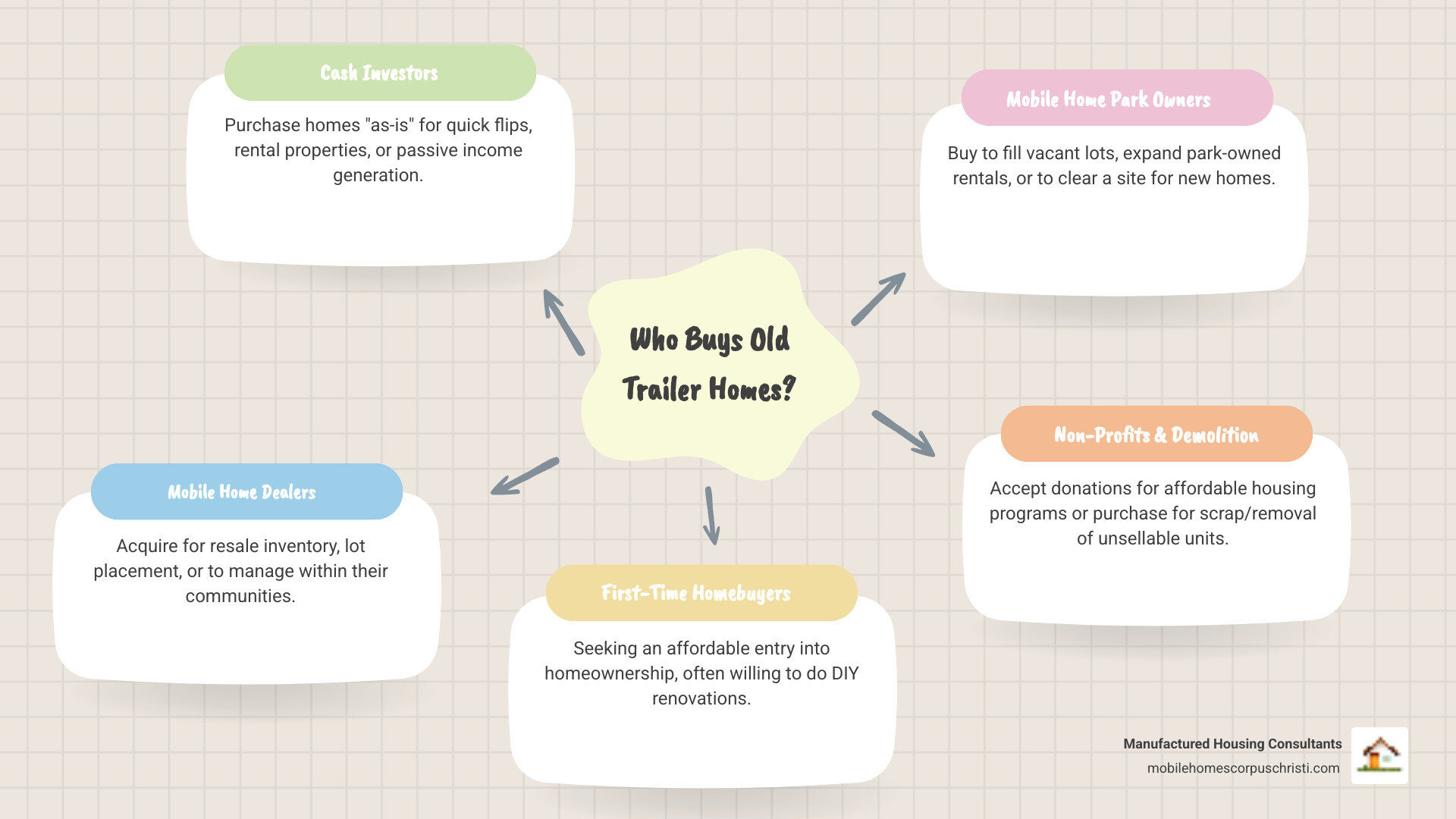
Quick Answer – Types of Buyers for Old Trailer Houses:
- Cash investors – Buy as-is for rental properties or fix-and-flip projects
- Mobile home dealers – Purchase for resale or park inventory
- First-time homebuyers – Seeking affordable entry into homeownership
- Mobile home park owners – Adding inventory to their communities
- Non-profit organizations – Converting homes for affordable housing programs
- Demolition services – Purchasing for scrap metal value
The reality is that older mobile homes, from a 1980s single-wide to a 2000s double-wide, still hold value for different types of buyers. While these homes depreciate, they serve an important role in today’s housing market.
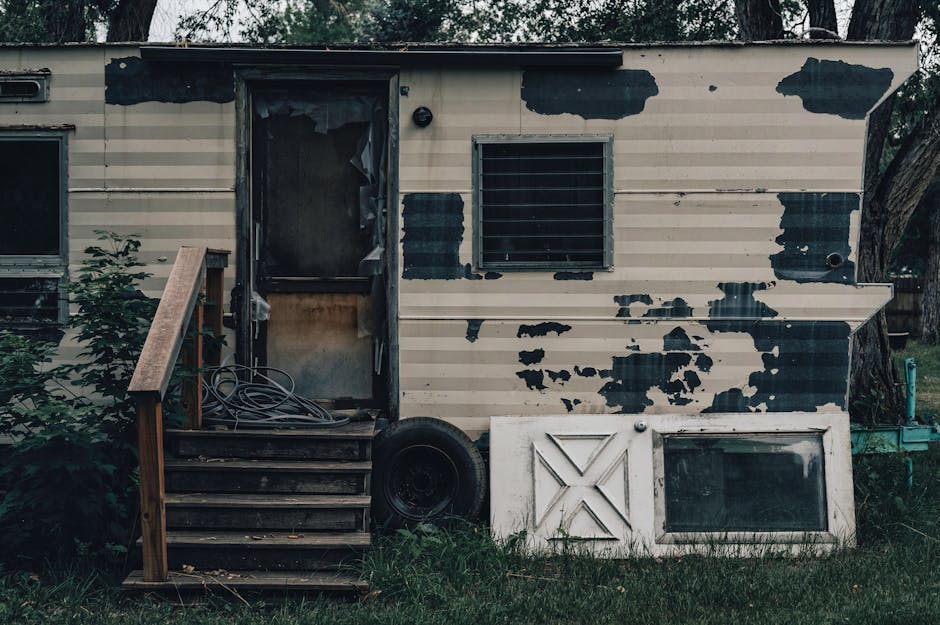
Your home might be “old” to you, but it could be exactly what someone else needs. Cash buyers look for properties to renovate, first-time buyers see an affordable path to homeownership, and even homes in poor condition have value for parts, scrap metal, or charitable housing programs.
Understanding these buyers and what they’re looking for will help you make the best decision for your situation and get more money for your home.
Who Buys Old Trailer Houses? A Breakdown of Potential Buyers
When you’re wondering who buys old trailer houses, you’ll be pleasantly surprised by the variety of interested buyers. Each type has different needs and motivations, meaning you have options regardless of your home’s condition.

Cash Buyers and Investors
For a quick, hassle-free sale, cash buyers and investors are often your best bet. They specialize in buying homes as-is, meaning no repairs, cleaning, or long waiting periods. These buyers are typically either fix-and-flip investors renovating for resale or rental property investors expanding their portfolio. Their main appeal is speed and simplicity; they can often close in days and handle all paperwork. The trade-off is a lower offer, but this can be offset by saving on repairs, commissions, and holding costs.
If you’re curious about why these buyers prefer cash transactions, check out our guide on the Advantages of Buying a Mobile Home with Cash.
Mobile Home Dealers and Park Owners
Mobile home dealers constantly seek inventory they can refurbish and resell, often seeing potential where others don’t. Mobile home park owners may want to add park-owned rentals to their community for steady income. If your home is in a park, the owner might also buy it to clear the lot for a newer model. That park rules can affect your sale, so always check with management first about restrictions on buyers, home condition, or moving.
Want to make sure you’re getting a fair deal? Our article on Top Signs Mobile Home Dealer Not Offering Fair Price can help you spot red flags.
Individuals and First-Time Homebuyers
Don’t underestimate individual buyers, who are often motivated and willing to pay fair prices. Many are first-time homebuyers seeing your older mobile home as an affordable entry to homeownership. Others are DIY enthusiasts who view a “seasoned” home as a blank canvas, unfazed by cosmetic issues. These buyers can face challenges like finding a lot, securing financing for older models, and covering moving costs, so be prepared for a potentially longer timeline if the home needs to be relocated.
For buyers new to mobile homes, we’ve compiled helpful information about Mistakes to Avoid When Buying First Mobile Home.
Non-Profits and Demolition Services
Even if your home seems beyond repair, you have options. Non-profit organizations often accept mobile homes as charitable donations, refurbishing them for affordable housing programs. This can provide you with a valuable tax deduction while helping families in need, and they typically handle all removal costs. If a home is beyond saving, demolition services will buy it for its scrap value. While not a large sum, this avoids you having to pay for demolition yourself.
To learn more about organizations that handle mobile home removal, visit our guide on Who Buys and Moves Mobile Homes for Free?.
Preparing for the Sale: Value, Process, and Legal Steps
Now that you know who buys old trailer houses, it’s time to prepare your home for sale. Breaking it down into manageable steps makes the process clearer. Understanding your home’s value, the selling process, and the legal paperwork will help you get the best outcome. This is your roadmap to a successful sale, no matter who the buyer is. If you’re curious about what buyers look for, our guide on What to Look For When Buying a Used Mobile Home offers insights from their perspective.
What Factors Affect the Value of an Old Mobile Home?
Several key factors determine what your home is worth in today’s market.
- Age and Condition: Newer homes are worth more, but a well-maintained older home will always fetch a better price than one needing major repairs like roof or plumbing work.
- Size and Location: Double-wides generally command higher prices than single-wides. A home in a desirable park or on private land in a good area is also worth more.
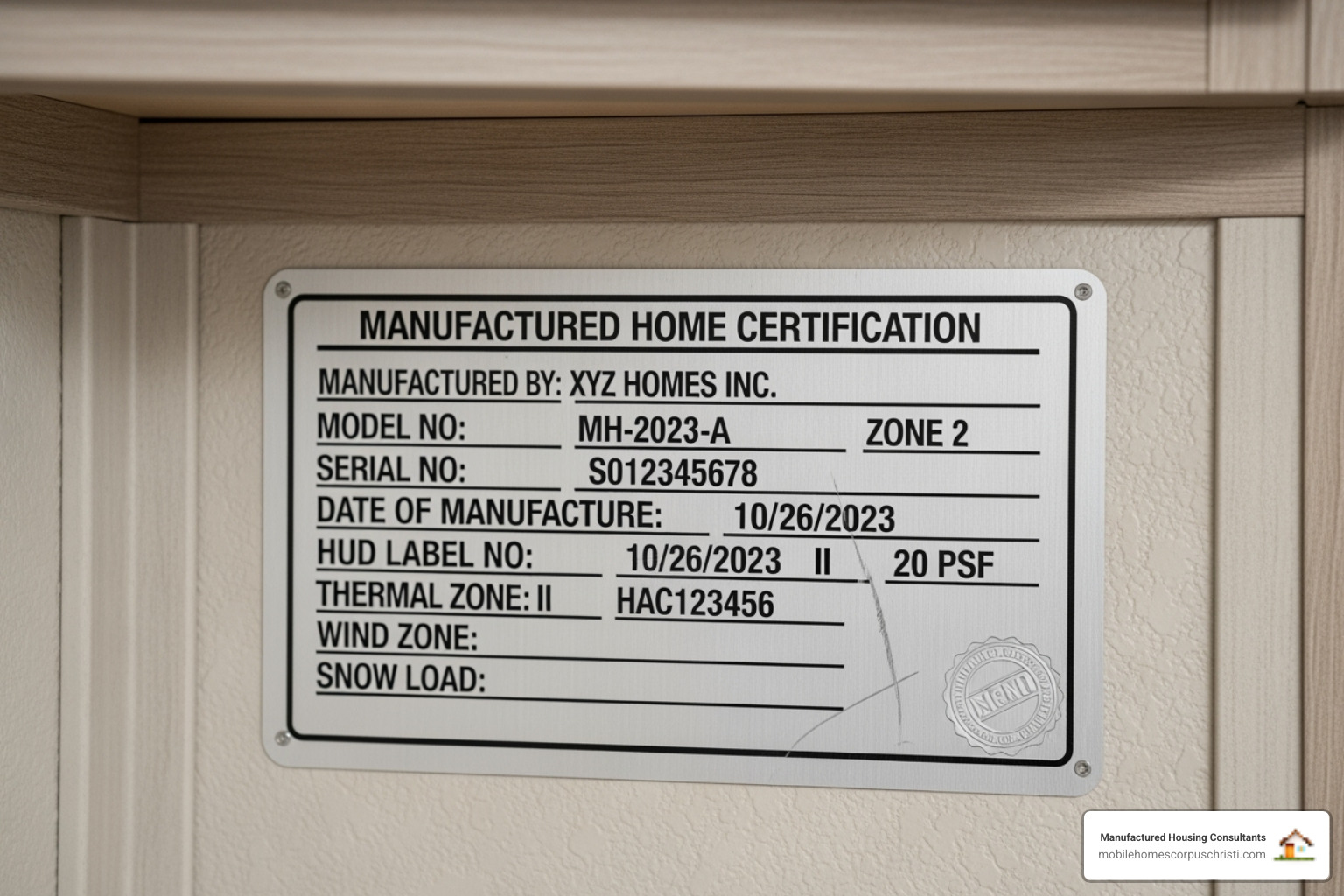
- HUD Standards: Homes built after the 1976 HUD Code was established are “manufactured homes” and are generally more valuable and easier to finance than pre-1976 “mobile homes.”
- Upgrades: Recent improvements like a new roof, windows, HVAC, or updated interiors add significant value.
Here’s how these factors typically impact your sale price:
| Factor | Lower Value Impact | Higher Value Impact |
|---|---|---|
| Age | Pre-1976 (true mobile home) | Post-1976 (manufactured home), under 10 years old |
| Condition | Major structural damage, mold, missing components | Well-maintained, recent renovations, move-in ready |
| Size | Small single-wide (around 500 sq ft) | Large double-wide or triple-wide (2000+ sq ft) |
| Location | Remote area, undesirable park, difficult to move | Desirable park, private land in high-demand area |
| Upgrades | Original, outdated systems | New roof, HVAC, windows, modern interior finishes |
The Selling Process Step-by-Step
Selling your old mobile home doesn’t have to be complicated.
- Gather Documents: Have your title, lien releases, and maintenance records ready to show buyers you’re organized and prevent delays.
- Set a Realistic Price: Honestly assess your home’s condition and research comparable sales in your area to price it competitively.
- Clean and Declutter: A tidy home appears larger and more inviting, even if you’re selling “as-is.”
- Market Your Home: List on mobile home marketplaces and social media. Don’t forget offline methods like a “For Sale” sign (if allowed) and word-of-mouth.
- Prepare to Negotiate: Know your bottom line before you start, as cash buyers often seek lower prices for a quick, convenient sale.
- Close the Sale: This involves drafting a bill of sale, exchanging funds, and transferring the title. Experienced buyers can often help guide this process.
Essential documents include your Certificate of Title, a Bill of Sale, any Lien Releases, and your park lease agreement if applicable.
Legal Considerations: Titling and Transfers
The legal side of selling a mobile home is crucial. Most are titled as personal property (like a vehicle), where you transfer just the home’s title. If it has been converted to real property (permanently attached to land you own), it sells like a traditional house. Understanding this distinction is key for legal and tax purposes. For more detailed information, Investopedia offers a helpful explanation of real property.
The bill of sale is the legal transfer document, and the title transfer is completed through your state’s housing or motor vehicle department. Always ensure any liens are paid off before the sale to provide a clean title. Many experienced cash buyers and dealers can help you steer these legal requirements.
Beyond a Straight Sale: Exploring Your Options
Sometimes, a direct sale isn’t the only or best option. Depending on your goals, you might consider trading it in, donating it, or scrapping it. Let’s explore these alternatives that many homeowners overlook when wondering who buys old trailer houses.
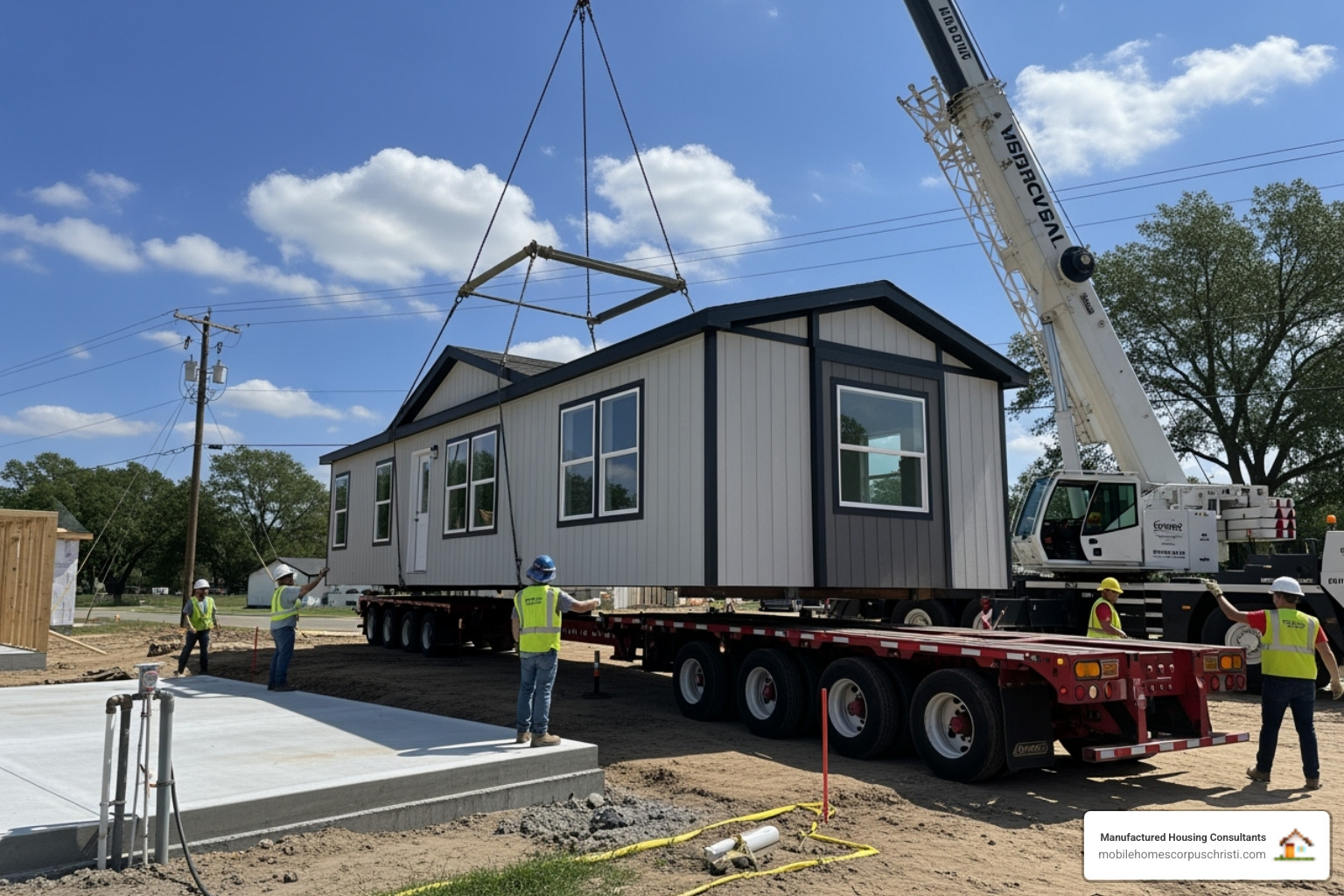
Trading In Your Old Home for a New One
A trade-in simplifies the process of upgrading by handling the sale of your old home and the purchase of a new one simultaneously. At Manufactured Housing Consultants, we make this process seamless.
When you trade up, you’re investing in a better quality of life. Modern homes offer upgraded lifestyles with spacious, customizable layouts. The energy efficiency alone can lead to significant annual savings, and new home warranties provide peace of mind by covering the structure, appliances, and major systems.
We work with 11 top manufacturers to offer the largest selection at guaranteed lowest prices. Our specialized financing options include FICO improvement programs, and we deliver anywhere in Texas. If you’re curious about your financing options, check out our guide on Mobile Home Loans or Financing.
Donating or Scrapping an Unsellable Home
If your home has significant issues, you still have good options.
Donating your home to a non-profit gives it a second life as affordable housing for a family in need. The tax benefits can be substantial, sometimes exceeding what you’d get from a low-price sale. Most non-profits also handle all removal costs.
If a home is beyond repair, scrapping becomes the practical choice. You won’t get rich, but you will get your land cleared. The metal frame, axles, and other components have recycling value, and this route helps you avoid paying for demolition yourself.
What are the costs associated with moving a mobile home?
Moving an old mobile home is not easy or cheap. If a buyer plans to relocate it, understanding the costs is crucial.
Professional mobile home movers typically charge between $2,000 and $5,000 for moves under 100 miles, but costs can rise based on several factors. Distance and the size of the home (a double-wide costs more than a single-wide) are major variables. You’ll also need permits for both locations, though movers often handle this.
Don’t forget disconnection and reconnection fees for utilities and potential site preparation work at the new location. Reputable professional mobile home movers are often booked months in advance, so plan accordingly.
Frequently Asked Questions about Selling Older Mobile Homes
When people wonder who buys old trailer houses, they often have specific concerns. These are the questions that come up most often.
Can I sell a mobile home that needs major repairs?
Absolutely, yes! A large market of buyers specifically looks for homes that need work.
Cash buyers and investors are ideal for this scenario. They buy homes in any condition—water damage, roof problems, etc.—and factor repair costs into their offer. You get a fast sale without spending anything on fixes.
Mobile home dealers also purchase fixer-uppers, as they have the resources to renovate them efficiently. Even some individual buyers, like DIY enthusiasts, want a project they can customize. The key is to be transparent about the home’s condition from the start.
How do I sell an old mobile home if I don’t own the land?
Selling a mobile home in a park is common and requires coordination with park management.
First, check your park’s rules on sales. Some have policies on buyer approval, home removal, or even a “right of first refusal,” giving the park the first chance to buy your home.
Talk to your park manager early. They can guide you through their procedures. If the buyer plans to stay, they will likely need to apply for residency, which often includes a background and credit check. The legal title transfer process for the home itself remains the same whether you own the land or not.
What is the difference between a mobile home and a manufactured home?
This distinction is important for selling.
Mobile homes were built before June 15, 1976, under various local codes without a single federal standard.
Manufactured homes were built on or after that date, following strict federal HUD Code standards for construction, safety, and energy efficiency.
Why does this matter? Post-1976 manufactured homes are generally easier to finance, insure, and sell. They typically command higher prices because they meet higher quality and safety standards. Knowing which category your home falls into helps set realistic expectations.
Your Next Step: Open uping Your Home’s Value
You’re now serious about understanding the options for your older mobile home. Who buys old trailer houses is no longer just a question—it’s a doorway to your next chapter.
Here’s what we’ve found together: You have many choices. Cash investors, first-time buyers, and mobile home dealers are all actively looking for homes like yours. Even non-profits can turn your home into a fresh start for someone else.
The factors that determine your home’s worth—age, condition, size, and location—are simply starting points for finding the right buyer. A well-maintained double-wide is someone’s dream home, while a fixer-upper is perfect for an investor. The legal steps are manageable, and many experienced buyers can guide you through the process.
You don’t have to limit yourself to a traditional sale. Your old home could become the down payment on a beautiful, energy-efficient new manufactured home, or it could be a charitable donation that provides you with tax benefits.
At Manufactured Housing Consultants, we see the bigger picture. We are passionate about helping Texas families find their perfect new homes, and we understand that your journey might start with an older home.
Making an informed decision puts you ahead of the game. You know your options, understand your home’s value, and have learned about the different types of buyers.
Ready to explore what’s next? Whether you’re considering a trade-in or simply want professional guidance, we’re here to help. See how you can Trade-in or Sell Us Your Old Mobile Home as part of your journey toward a new manufactured home.
Your older mobile home has value—and now you have the knowledge to open up it.