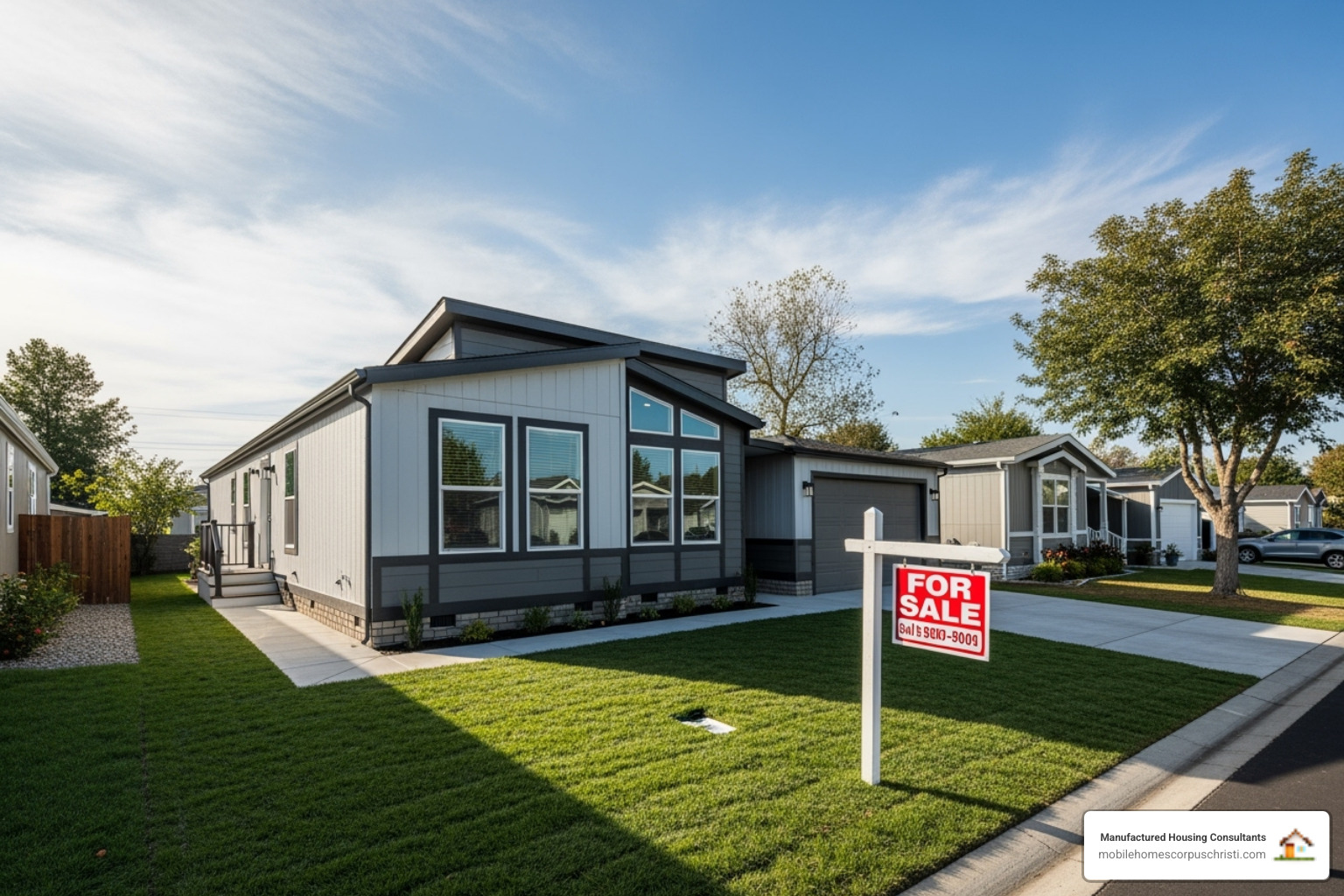
Why Selling Your Manufactured Home Can Be Your Best Financial Move
Selling your manufactured home might seem overwhelming, but with the right approach, it can be a straightforward and profitable process.
Quick Answer for “Sell My Manufactured Home”:
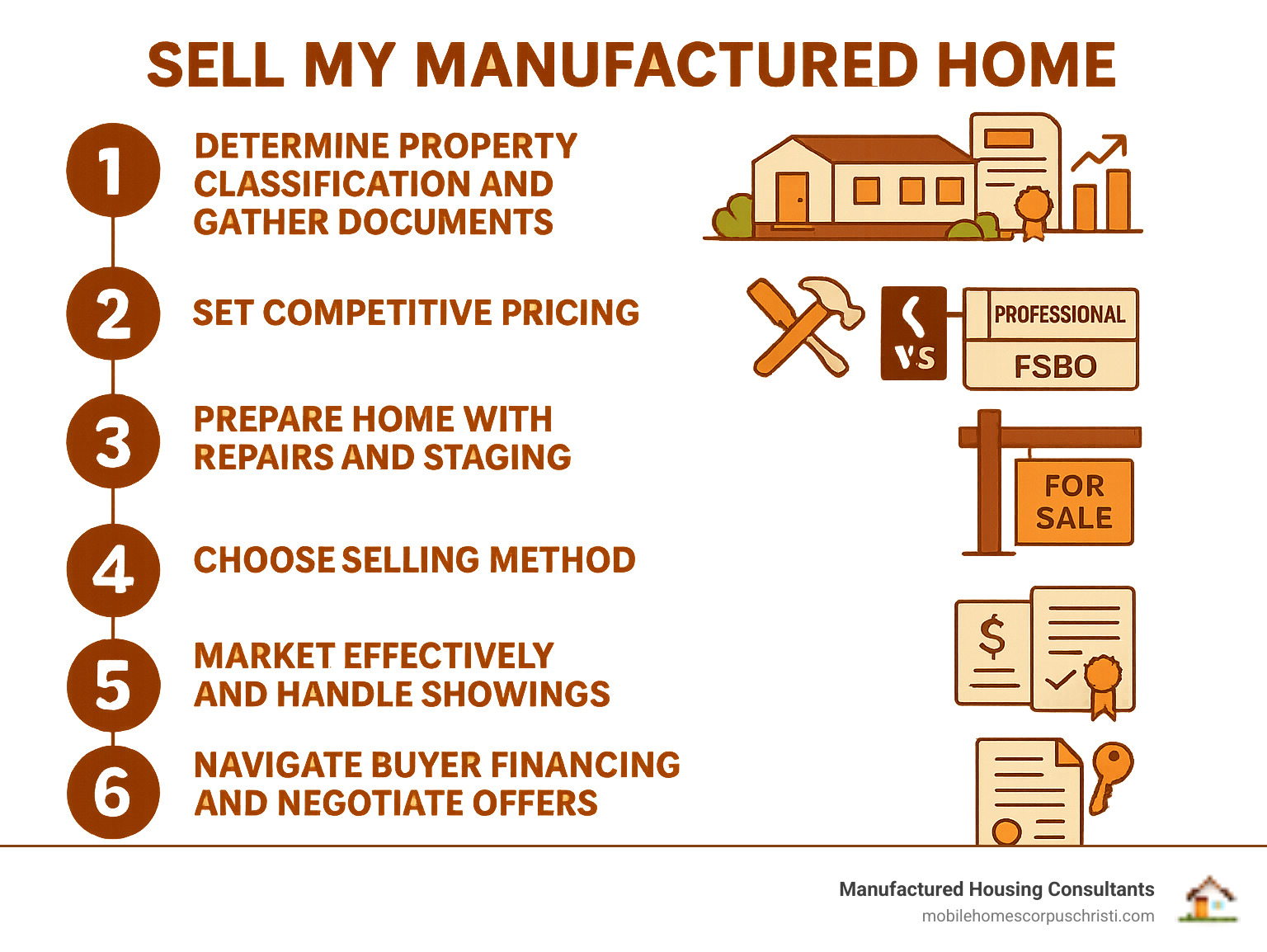
- Determine property type – Real property (with land) or personal property (without land)
- Gather essential documents – Title, Bill of Sale, tax records, Certificate of Occupancy
- Set competitive pricing – Consider depreciation, location, and market conditions
- Prepare your home – Make repairs, stage effectively, improve curb appeal
- Choose selling method – Professional help vs. For Sale By Owner (FSBO)
- Handle buyer financing – Understand chattel loans, FHA loans, and cash offers
- Complete the closing – Transfer title, finalize paperwork, hand over keys
The manufactured housing market is thriving. The average price reached around $121,600 in 2024, and this growing demand creates real opportunities for sellers.
Unlike traditional houses, manufactured homes have unique considerations. Your home might be classified as real property (if permanently attached to land you own) or personal property (if it can be moved). This classification affects everything from pricing to financing options for buyers.
About half of manufactured home residents own the land their homes sit on, which means many sales involve either relocating the home or navigating mobile home park rules. The key is preparation and understanding your options. This guide will help you maximize your return and minimize stress.
Step 1: Preparing Your Home and Paperwork for Sale
Proper preparation is the foundation for a successful sale. This means understanding your property type, making your home look its best, and gathering all the essential documents to prove ownership and streamline the process.
Getting organized early saves time, prevents delays, and shows potential buyers that you’re a serious and professional seller.
Want to understand more about what makes manufactured homes unique? Check out our guide on the pros and cons of mobile homes to get the full picture.
Understanding Your Property Type: Real vs. Personal
Understanding whether your home is real property or personal property is crucial when you sell my manufactured home. It affects the sale price, financing options for buyers, and the closing process.
-
Real Property: Your manufactured home is permanently attached to land that you own, and the title has been converted to real estate. Selling it is similar to selling a traditional house, allowing buyers to access standard mortgages. This classification typically increases your home’s value.
-
Personal Property (Chattel): Your home is on leased land (like in a mobile home park) or still has a vehicle-style title. The sale process is more like transferring a car title, and buyers usually need specialized chattel loans. If you want to sell the home without the land it currently sits on, you may need to convert it from real to personal property, which involves a titling process with your county or DMV.
Don’t skip this step! Knowing your property type determines the required paperwork and the entire transaction structure.
For more detailed information about converting your home to real property, take a look at our resource on titling manufactured homes as real property.
Key Steps to Sell My Manufactured Home Without Land
-
Title Transfer: The sale centers on transferring the title through your state’s DMV or a similar agency. Ensure the title is clean with no liens. If it was previously real property, it must be re-titled as personal property first.
-
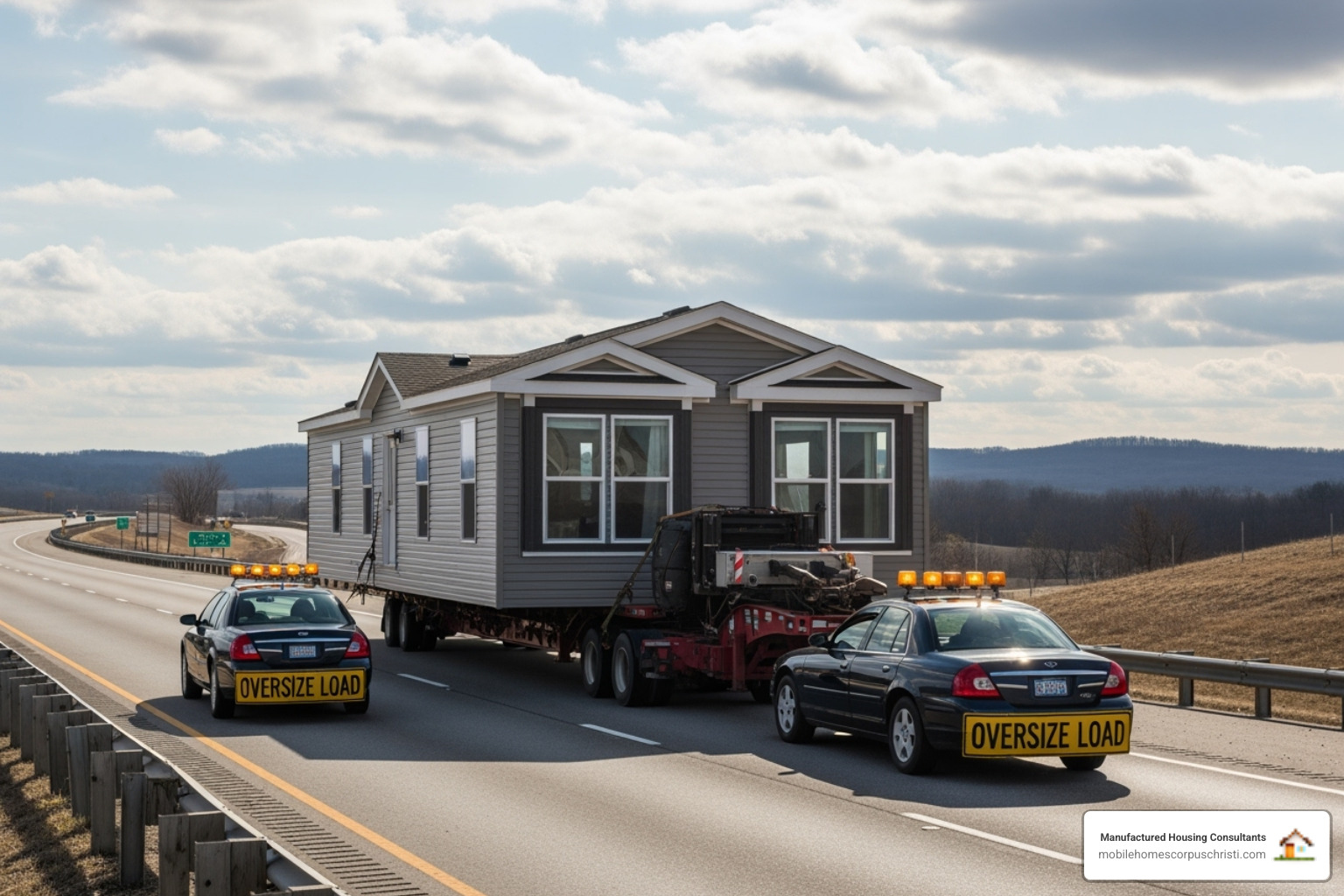
Relocation Considerations: Moving a manufactured home is a significant undertaking for a buyer. They must secure a new lot, get permits, and hire a licensed mover. Be aware that some insurance companies won’t cover a home that has been moved more than twice, which can be a concern for buyers.
-
Mobile Home Park Rules: If your home is in a park, the management has a say. You’ll need their permission to sell, and your buyer must be approved by the park, which includes signing a new lease. Park owners generally cannot interfere with the sale price or charge a commission unless you’ve hired them to help.
Moving a manufactured home involves significant costs and logistics. For detailed information about expenses and the moving process, check out our guide on how much it costs to buy and move a mobile home in Corpus Christi.
Gathering Your Essential Documents
Having your paperwork organized prevents delays and builds buyer confidence. Here’s what you’ll need:
- Certificate of Title (or Deed): This proves you own the home. Make sure it’s free of any liens.
- Bill of Sale: The legal document that transfers ownership, detailing the home, price, and terms.
- Proof of Current Taxes: Shows that property or personal property taxes are paid.
- Certificate of Occupancy: Confirms the home meets local building codes.
- HUD Data Plate and Certification Label: These are crucial for homes built after June 15, 1976, especially for FHA financing. The Data Plate is inside (check closets or cabinets), and the red Certification Label is on the exterior of each section. If they are missing, you may need a Letter of Label Verification from the U.S. Department of Housing and Urban Development.
- Other Documents: Have transferable warranties, maintenance records, your park lease agreement (if applicable), and a seller’s disclosure form ready.
If you’re unfamiliar with HUD requirements, you can review the official HUD Manufactured Home Construction and Safety Standards for additional guidance.
Step 2: How to Price, Market, and Sell My Manufactured Home
With your home and paperwork prepared, it’s time to focus on pricing, marketing, and presentation to attract serious buyers.
Setting the Right Price
Pricing your home correctly is critical. Price too high, and you’ll deter buyers; price too low, and you’ll lose equity.

-
Depreciation vs. Appreciation: Most manufactured homes depreciate over time, especially when classified as personal property. However, if your home is real property, the land it sits on will likely appreciate, which can offset the home’s depreciation and potentially increase the overall value.
-
Market Factors: Location is key. A home in a desirable area with good amenities will command a higher price. Research recent sales of similar homes in your area (“comps”) to understand the local market.
-
Condition, Age, and Features: A well-maintained home with modern upgrades will sell for more. Homes built after 1976 that meet HUD standards hold their value better and are easier for buyers to finance. Energy-efficient windows, updated kitchens, and fresh paint can all boost your asking price.
Consider a professional appraisal from someone experienced with manufactured homes to get an objective valuation.
For a comprehensive understanding of how manufactured home values are determined, consult our Guide to manufactured home values.
Staging and Repairs to Maximize Value
First impressions are powerful, especially online. How your home looks can make or break a potential sale.
-
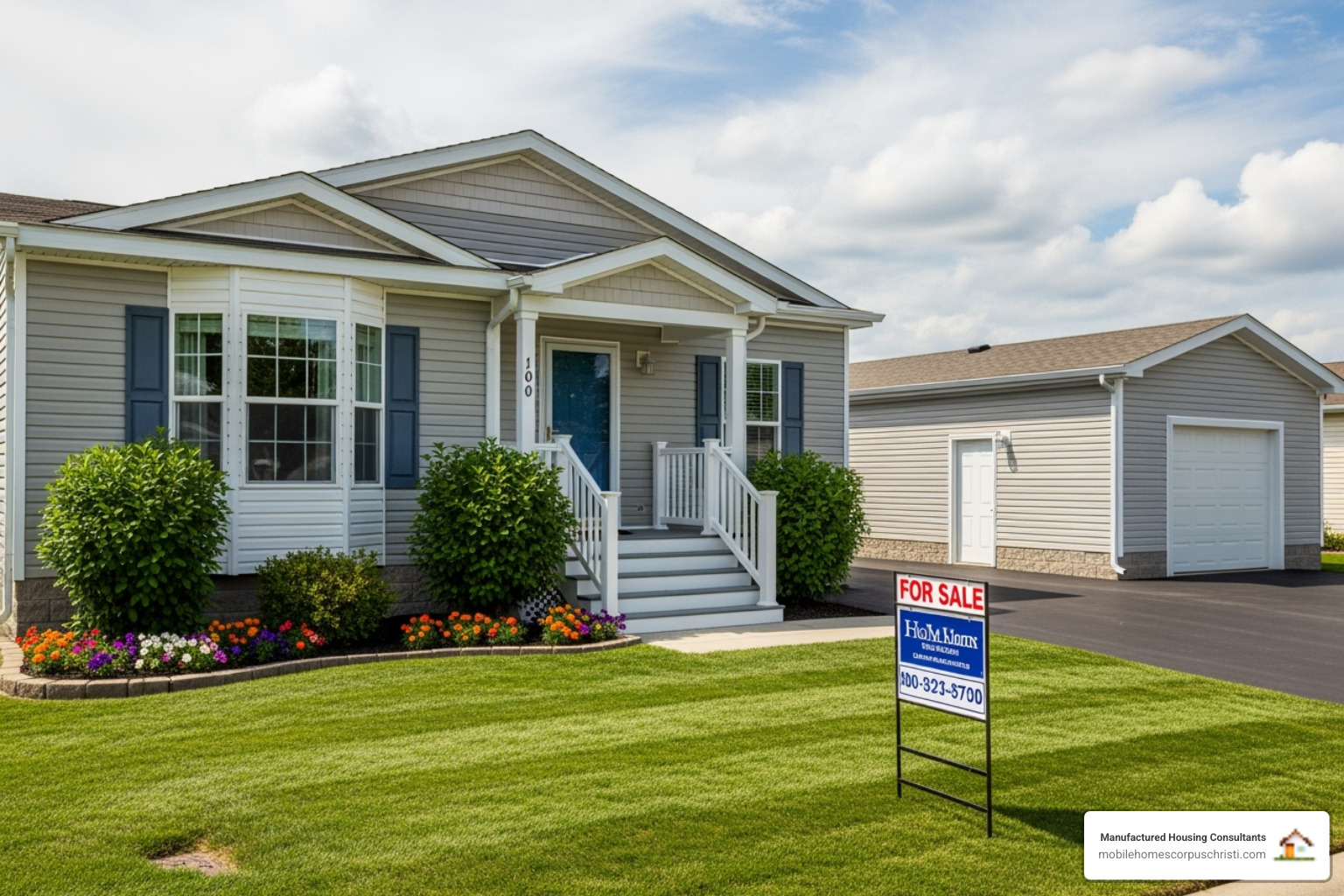
Boost Curb Appeal: A tidy exterior sets positive expectations. Keep the lawn mowed, trim bushes, and consider adding flowers. Ensure your home’s skirting is in good condition; upgrading from vinyl to a more permanent material like stone or brick can add significant appeal. Make any necessary exterior repairs to siding, trim, and porches.
-
Focus on Interior Updates: Address any necessary repairs first, like plumbing leaks or faulty wiring. A fresh coat of neutral paint makes spaces feel larger and cleaner. Small, inexpensive updates to light fixtures and cabinet hardware can have a big visual impact.
-
Declutter and Deep Clean: Remove personal items so buyers can envision themselves in the space. A spotlessly clean home, from windows to floors, shows you’ve cared for the property.
-
Use Professional Photography: High-quality photos are essential for online listings. They attract more attention and showcase your home in its best light.
Deciding How to Sell My Manufactured Home: With Professional Help vs. For Sale By Owner (FSBO)
When you sell my manufactured home, you can either hire a professional or sell it yourself (FSBO).
-
Selling with Professional Assistance: A real estate professional with manufactured home experience can provide market expertise, access to wide marketing channels like the MLS, and handle complex paperwork and negotiations. The primary drawback is the commission cost, but their skills can often lead to a higher final sale price.
-
For Sale By Owner (FSBO): With FSBO, you control the entire process and avoid paying commission. This can work well if you are comfortable with marketing, legal requirements, and negotiations. The main challenges are limited marketing reach without the MLS and managing all the complexities of the transaction yourself.
Consider your experience and comfort level when choosing your path. If you seek professional help, find someone who specializes in manufactured housing.
Step 4: The Closing Process
You’ve found a buyer and agreed on a price. The closing is the final stage where ownership officially transfers. The process varies slightly depending on whether your home is real or personal property, but the goal is the same: a smooth and successful transaction.
Finalizing the Paperwork
This is where your organized documents become essential. The title transfer is the core of the closing.
- For personal property, the title transfer is handled through your state’s DMV, similar to selling a car. You’ll sign the title over to the buyer.
- For real property, a title company or attorney typically records a new deed with the county, a process similar to a traditional house sale.
The Bill of Sale will be finalized and signed by both parties. If you have a loan, your lender must provide a lien release showing it’s paid off, ensuring the buyer gets a clear title. Costs like property taxes and lot rent are typically prorated, meaning you and the buyer split them based on the closing date.
If the home is in a community, the buyer’s park approval and signed lease must be complete before the sale can close.
Completing the Transaction
With the paperwork signed, a few final steps wrap up the sale.
First, verify the payment. Whether it’s a wire transfer or certified check, ensure the funds have cleared before proceeding. Once payment is confirmed, you can hand over the keys.
Provide the buyer with copies of all important documents, including the signed Bill of Sale, transferred title, lien release, and any warranties. This ensures a smooth transition for them and protects you from future issues.
Finally, complete your post-sale responsibilities. Contact utility companies to transfer service, cancel your homeowner’s insurance (after the buyer’s is active), and set up mail forwarding. If applicable, notify the mobile home park management that the sale is complete.
Closing the sale is a real achievement. You’ve successfully steerd a unique market and can now move on to your next trip.
Frequently Asked Questions about Selling a Manufactured Home
Selling a manufactured home can bring up many questions. Here are answers to some of the most common ones.
How long does it typically take to sell a manufactured home?
The timeline to sell my manufactured home can range from a few weeks to several months, depending on several factors:
- Market Conditions: In a high-demand market, homes sell faster.
- Location: Homes in desirable communities or areas with good amenities attract more buyers.
- Price: A competitively priced home will sell much more quickly than an overpriced one.
- Home Condition: Move-in ready homes naturally sell faster than those needing significant repairs.
- Property Type: Homes sold with land (real property) often have a larger buyer pool due to more financing options.
Your selling method also matters. A cash buyer can often close very quickly, sometimes in a matter of days, while a traditional sale with financing takes longer.
Can I sell a manufactured home that needs significant repairs?
Yes, you can sell my manufactured home even if it needs major work. The key is to be realistic and transparent.
Your best approach is to sell the home “as-is,” meaning the buyer is responsible for all repairs. This saves you the time and expense of renovations. You must adjust your asking price to reflect the home’s condition and the cost of necessary repairs. It’s often helpful to get repair estimates beforehand so you can price your home realistically.
Cash buyers and investors are often your ideal audience in this scenario, as they are specifically looking for fixer-upper opportunities. Be completely transparent about all known issues. This builds trust and prevents complications later in the process.
What are the most common costs for a seller?
Understanding the potential costs helps you budget and calculate your net proceeds from the sale.
- Repairs and Staging: Costs for improvements to make your home more attractive, from fresh paint to professional cleaning.
- Professional Assistance Fees: If you hire a real estate agent, their commission will likely be your largest expense.
- Closing Costs: These can include attorney fees, title insurance (for real property), recording fees, and your share of prorated property taxes.
- Title Transfer Fees: Small fees paid to the state or county to process the title transfer.
- Lien Release Fees: An administrative fee your lender may charge to process your loan payoff.
- Marketing Expenses: If you sell FSBO, you’ll cover costs for photos, online listings, and signage.
Conclusion
Selling your manufactured home is a manageable process. The key is understanding the unique steps involved, from preparation to closing. The most important distinction is determining if your home is real property or personal property, as that guides the entire sale.
By following the essential steps—organizing paperwork, setting a competitive price, preparing your home to shine, and choosing the right selling path—you can steer the process successfully. The manufactured housing market is growing because it offers an affordable path to homeownership, and your home can be a great opportunity for the right buyer.
At Manufactured Housing Consultants, we see both sides of this equation every day. While we specialize in helping families find their perfect new manufactured home from our selection of 11 top manufacturers, we understand that sometimes selling your current home is the first step toward that dream. We offer guaranteed lowest prices and specialized financing for all credit situations, including FICO improvement, delivering homes anywhere in Texas.
The manufactured housing market is stronger than ever. Your successful sale contributes to this thriving community of homeowners.
Ready to find your next home? Sell Your Mobile Home and explore new options with us!