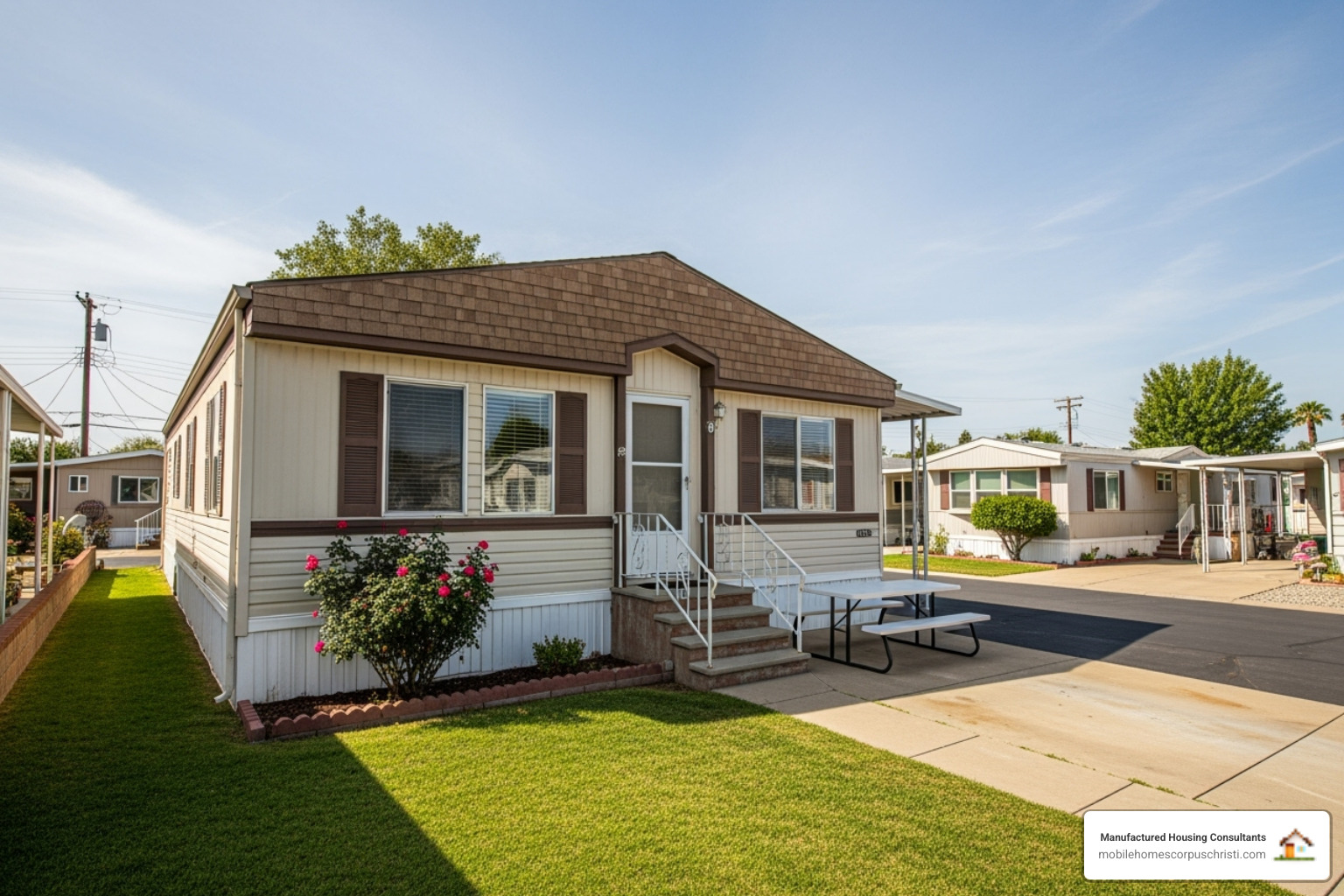
Why Buying a Used Trailer Home Makes Sense for Budget-Conscious Buyers
If you’re looking to buy used trailer home, here’s a quick overview of what you need to know:
Quick Answer: Where to Find & Buy Used Trailer Homes
- Where to Search: Online marketplaces, local mobile home parks, and dealer inventory listings.
- What to Check: The HUD tag (for homes after 1976), roof condition, floor soft spots, and plumbing/electrical systems.
- Average Savings: Used manufactured homes can cost 40-50% less than new models.
- Financing Options: Chattel loans, FHA Title I loans, and specialized company financing programs.
- Total Budget: Account for the purchase price, lot rent ($300-$800/month), utilities, insurance, and a 10% contingency for repairs.
With traditional housing costs soaring, the dream of homeownership can feel out of reach. Used trailer homes offer a practical path to owning your own home without the crushing debt of a site-built house.
A used manufactured home typically costs between $40,000 and $73,000, which is often half the price of a new one. In Texas, for example, pre-owned homes average around $59,321 compared to $116,314 for new models.
This guide walks you through the entire process of finding, inspecting, financing, and buying a quality used trailer home. You’ll learn where to search, what warning signs to watch for, and how to make a smart investment in your future.
Why Choose a Used Trailer Home? The Pros and Cons
When you’re thinking about whether to buy used trailer home, it’s important to weigh the advantages against the potential challenges.
The Advantages: More Bang for Your Buck
The most compelling reason to buy used is the massive cost savings. A used manufactured home can cut your housing costs by nearly half.
The cost savings are genuinely remarkable. In Florida, for example, a new manufactured home averages $140,916, while a pre-owned one is only $73,244—a discount of almost 50%. This pattern holds true across the country, making homeownership achievable for families on a tight budget.
Beyond the purchase price, you often get to move in much faster. Many used homes are already set up in established mobile home parks, so you can skip the lengthy process of site preparation and setup that comes with new homes.
You’ll also be moving into an established community. These neighborhoods have a comfortable sense of belonging that new developments take years to build.
A surprising benefit is that manufactured homes can appreciate in value. A Federal Housing Finance Agency study found that they appreciate similarly to site-built homes when properly maintained. Your home isn’t just a place to live—it’s a growing asset.
For a complete look at the benefits, check out our guide on the Pros and Cons of Buying a Mobile Home.
The Potential Drawbacks: What to Watch Out For
Now, let’s look at the other side of the coin.
Wear and tear is a given. You might find worn carpets, older appliances, or cosmetic dings. Some issues are minor, but others could require significant repairs and investment.
The bigger challenge is hidden damage. A roof that looks fine might have slow leaks causing water damage inside walls. Plumbing and electrical systems could be deteriorating out of sight. Without a thorough inspection, you risk buying someone else’s problems.
Age matters when it comes to building codes. Homes built before June 15, 1976, are “mobile homes” built to looser standards. Homes built after that date are “manufactured homes” that meet stricter federal HUD codes for safety and durability. An older home may need updates to meet modern expectations.
Finally, be realistic about ongoing costs. Unlike a new home with warranties, a used home is your responsibility from day one. Smart buyers budget for eventual repairs to the water heater, furnace, or roof.
This doesn’t mean you shouldn’t buy used. It means you need to be prepared, do your homework, and set aside a contingency fund. For more perspective, see our article on Mobile Home Living Pros Cons And Expectations.
The bottom line is that a used trailer home offers incredible value. The savings are real and the path to homeownership is shorter, as long as you balance the excitement with careful inspection and realistic budgeting.
Your Search Guide: Where and What to Look For
You’ve decided to buy used trailer home, and now the hunt begins! Knowing where to look and what to focus on will save you time and money.
Where Are the Best Places to Find Used Trailer Homes for Sale?
The market for used manufactured homes is very active.
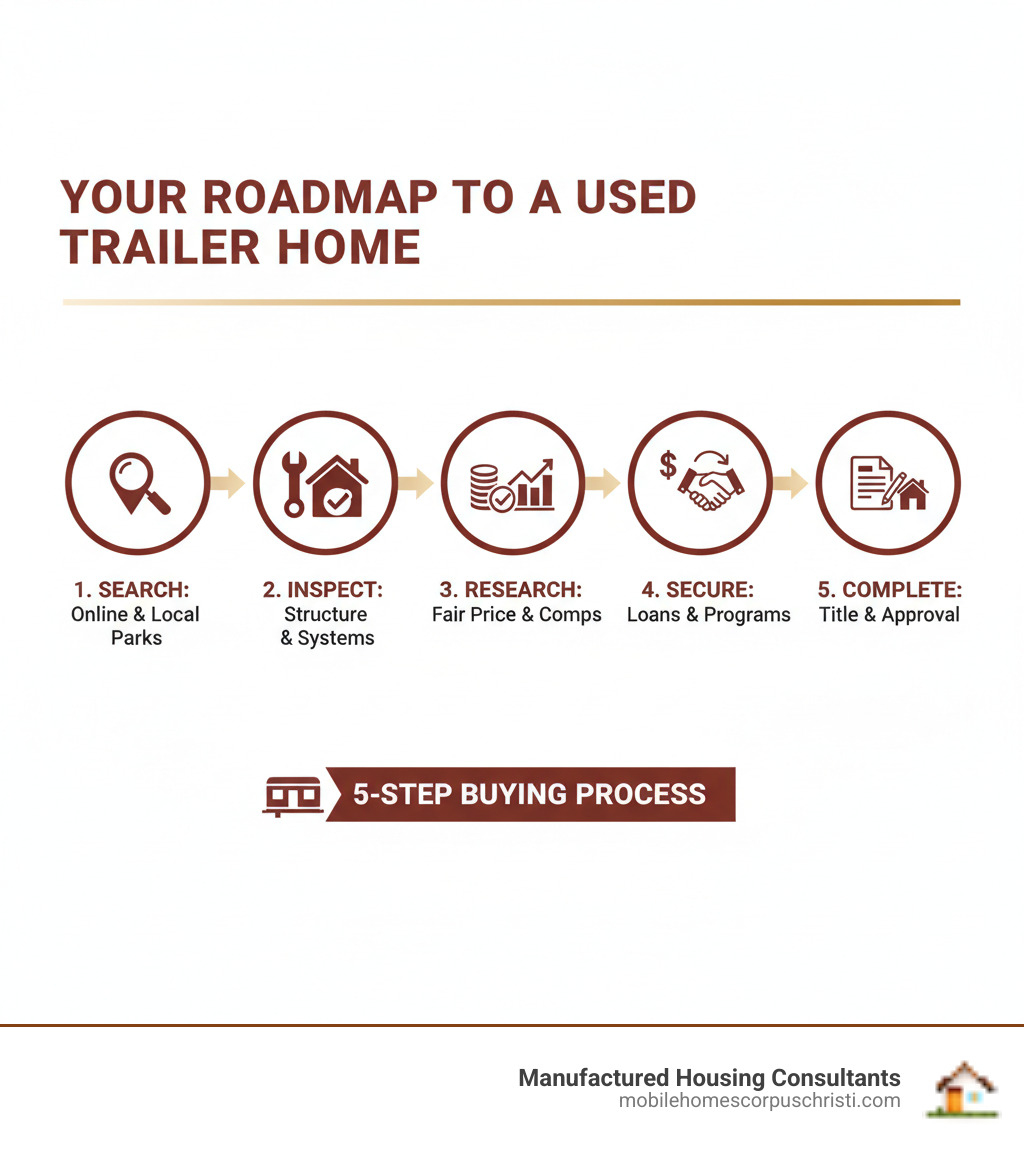
Online marketplaces are the best place to start. Websites dedicated to manufactured housing make it easy to browse homes and communities simultaneously. General real estate sites also list manufactured homes. For local options, check out our guide on Finding Mobile Homes For Sale In Corpus Christi.
Don’t overlook local mobile home parks. Park managers often know about homes for sale before they’re advertised online. Driving through parks in your desired area to look for “For Sale” signs can uncover hidden gems.
Dealer inventory is another solid option. Many dealers, including us at Manufactured Housing Consultants, have trade-ins or consignment homes. These are often inspected and may come with some support. We also work with repo mobile homes, which can offer significant savings.
Online classifieds can be a source for direct-from-owner sales, which may offer more room for negotiation. However, you’ll need to do more independent research on these properties.
For more on market trends, see our article on the Market For Used Mobile Homes.
What Key Factors Should We Consider?
Once you find listings, focus on what really matters to separate the gems from the money pits.
Age and the HUD Tag are crucial. Homes built after June 15, 1976, are manufactured homes built to federal HUD standards for safety and quality. Homes built before this date are “mobile homes” and may be harder to finance and insure. Always verify the home’s age by checking the metal HUD tag (or data plate) on the exterior. This tag is the home’s birth certificate; if it’s missing, that’s a red flag.
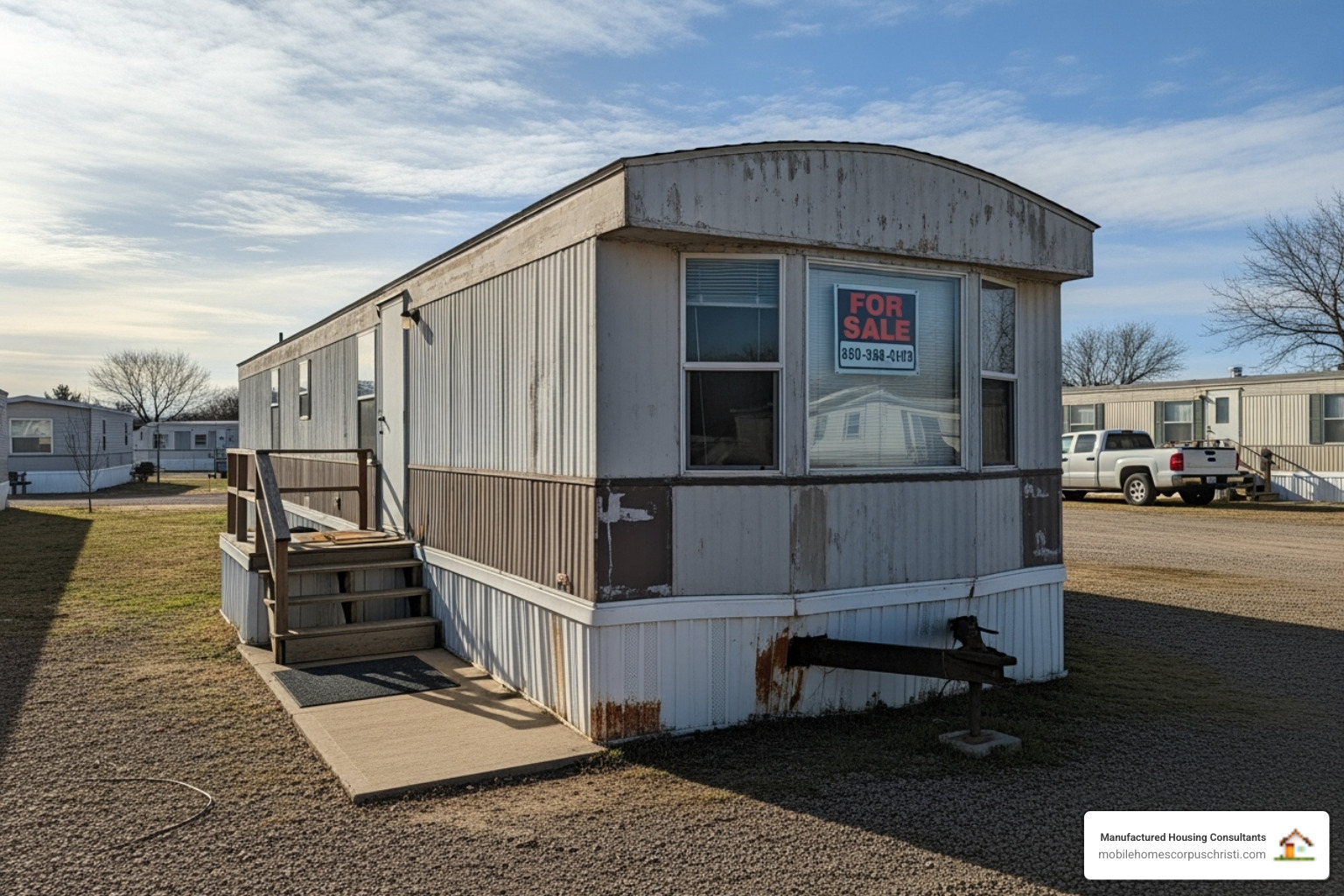
Home condition requires detective work. Look for obvious signs of neglect like a sagging roof, damaged siding, musty smells, or soft spots in the floor. We’ll cover a full inspection checklist later.
Location impacts your daily life and investment value. If the home is in a mobile home park, consider the lot rent ($300-$800 per month), park rules, and community feel. Be sure you understand the park’s approval process before buying. If the home is on private land, confirm that local zoning laws permit manufactured homes and determine if the land is included in the sale. Moving a home is expensive and complex.
Price needs context. A $50,000 home could be a steal or a disaster. Compare the asking price to similar homes in the area. Used homes in Texas average around $59,321. If a price seems too high, ask why, and don’t be afraid to negotiate based on the home’s condition.
Taking the time to search thoroughly and evaluate carefully will ensure you make a smart investment.
The Ultimate Pre-Purchase Checklist: How to Inspect and Avoid Pitfalls
You’ve found a promising home. Now it’s time to ensure it holds up in person. A thorough inspection is your best defense against costly surprises when you buy used trailer home.
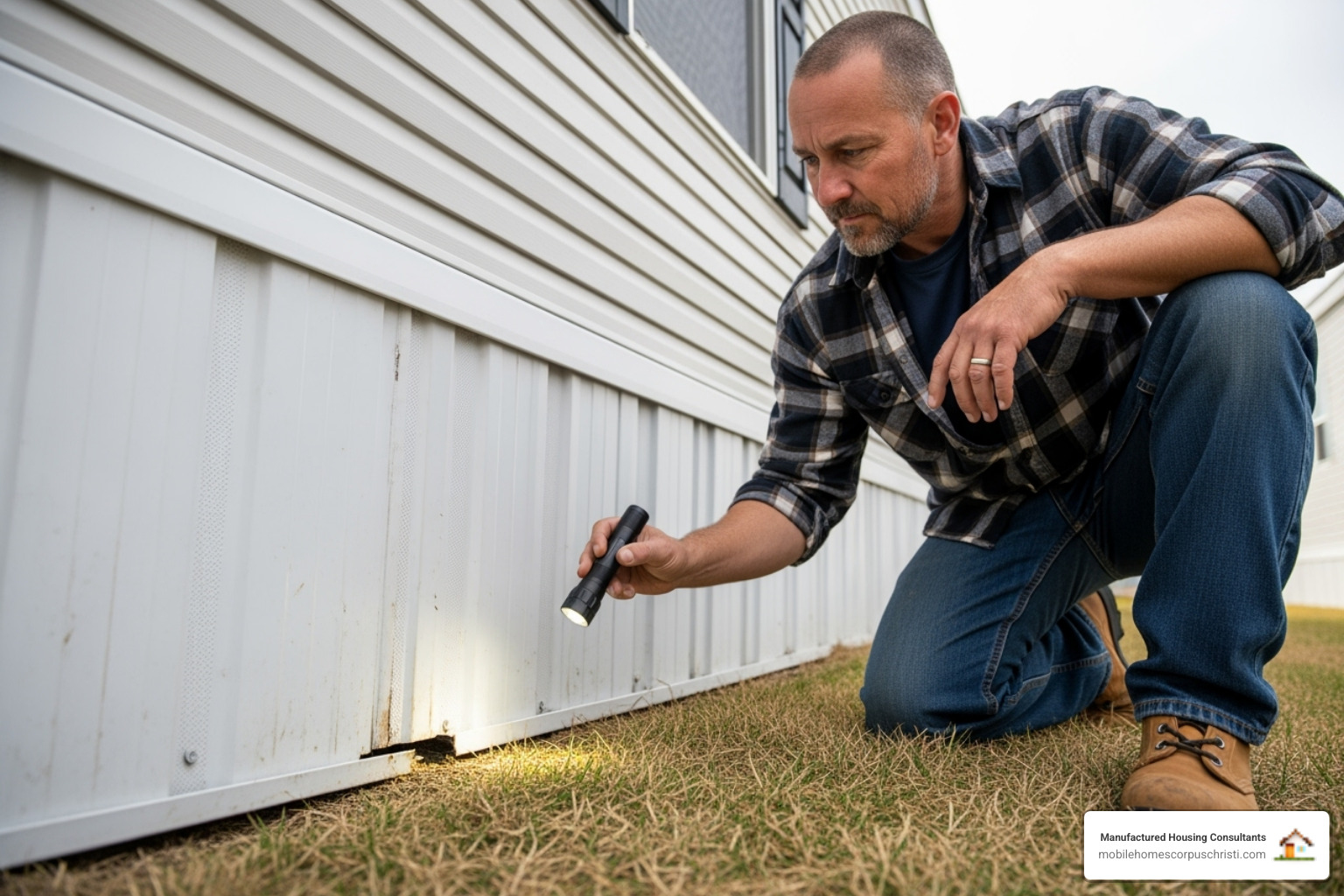
Your DIY Inspection Guide to buy used trailer home
Before hiring a professional, do your own walkthrough to spot obvious problems. For a deeper dive, see our guide on What To Look For When Buying A Used Mobile Home.
Exterior Check:
- Roof: Look for missing/damaged shingles, cracks, bubbling, or sagging. Ensure water drains properly and doesn’t pool.
- Siding & Skirting: Check for damage, warping, or holes that could let in water and pests.
- Foundation/Tie-Downs: Ensure they are secure and free of rust or damage.
- Windows & Doors: Test that they open and close smoothly. Look for broken seals or drafts.
- Drainage: Verify that water flows away from the home’s foundation.
Interior Check:
- Floors: Walk through every room, feeling for soft or spongy spots. These are serious red flags for water damage or rot.
- Walls & Ceilings: Scan for water stains, discoloration, or peeling paint, which indicate past or present leaks.
- Plumbing: Check under sinks and around toilets for leaks or water damage. Test water pressure and drainage in all faucets.
- Electrical: Look at the electrical panel for disorganization or scorch marks. Test outlets and light switches.
- HVAC: Turn on the heating and cooling to see if they work. Ask for service records.
- Appliances & Odors: Test any included appliances and trust your nose—musty smells can mean mold.
This DIY check helps you avoid common Mistakes To Avoid When Buying First Mobile Home.
Professional Inspection: Don’t Skip This Step!
A DIY inspection can’t replace a professional who specializes in manufactured homes. They have the tools and training to spot hidden issues with the frame, chassis, plumbing, and electrical systems. The few hundred dollars it costs is cheap insurance that can save you thousands or help you walk away from a money pit.
Common Repairs and Budgeting for the Unexpected
Even with a great inspection, used homes can have surprises. Always budget for potential repairs.
- Roof Leaks: A patch may cost a few hundred dollars, but a full replacement can run $3,000-$10,000+.
- Floor Rot: Repairing soft spots can cost $500-$2,000 per section.
- Plumbing/Electrical: Minor fixes are a few hundred dollars, but replacing a water heater or upgrading an electrical panel can cost $1,500-$3,000+.
- HVAC System: A new furnace or AC unit can cost $2,000-$7,000.
We recommend a contingency fund of at least 10% of the purchase price for unexpected repairs. For major projects, see our guide on How To Remodel A Mobile Home.
How to Ensure You Get a Fair Price
Getting a fair price requires homework.
Start by researching comparable sales for recently sold manufactured homes of similar age, size, and condition in the area. Online marketplaces and real estate sites are good resources for this. Our Manufactured Home Prices Guide 2025 also provides pricing insights.
For larger investments, a professional appraiser can provide an unbiased valuation.
When it comes to negotiation, your inspection report is your best tool. Use any required repairs to request a lower price or ask the seller to fix them before closing. Be prepared to walk away if the numbers don’t work.
Navigating the Financials and Paperwork to buy used trailer home
After the inspection and price negotiation, it’s time to handle the money and paperwork. This final stretch can be straightforward with the right information.
Financing Your Used Trailer Home
Financing a used manufactured home differs from a traditional mortgage, but several options are available.
Chattel loans are the most common option, especially for homes on leased land. These are personal property loans, similar to an auto loan, secured by the home itself. While rates may be slightly higher than mortgages, they are designed for manufactured homes and are often easier to qualify for.
FHA Title I loans are government-backed loans created for manufactured homes. They offer more flexible credit requirements and lower down payments, making them a great option whether you’re buying the home with or without land.
At Manufactured Housing Consultants, we offer specialized financing programs that work with various lenders to find solutions for all credit situations. If you’re facing credit challenges, we can help. See our resources on Financing Bad Credit and low FICO home loans.
Seller financing is sometimes offered in private sales and can be a lifeline if other options fall through.
Your credit score heavily influences your rates and terms. Improving your score before applying can save you thousands. For more details, explore our guides on Financing For Mobile Homes and Financing Options For Manufactured Homes.
Understanding the Total Cost of Ownership
The sticker price is just the start. A complete picture of monthly costs is essential for financial planning.
In addition to the purchase price, you’ll have ongoing expenses. If the home is in a community, lot rent is a major cost, typically $300-$800 per month. Property taxes apply if you own the land; otherwise, you may pay a personal property tax on the home. Budget for utilities ($150-$400/month), homeowners insurance, and a maintenance fund ($50-$200/month) for unexpected repairs.
Here’s a typical breakdown:
| Cost Category | Home in Park (Leased Land) | Home on Private Land (Owned) |
|---|---|---|
| Purchase Price | $40,000 – $100,000+ | $40,000 – $100,000+ |
| Monthly Loan Payment | $300 – $800+ | $300 – $800+ |
| Lot Rent | $300 – $800 | $0 |
| Property Taxes | (Varies by state) | $100 – $500+ |
| Utilities | $150 – $400 | $150 – $400 |
| Insurance | $50 – $150 | $50 – $150 |
| Maintenance Fund | $50 – $200 | $50 – $200 |
| Estimated Total Monthly | $850 – $2,350+ | $650 – $2,050+ |
These are estimates and vary by location, home size, and loan terms.
Legal Considerations and Paperwork
The legal side requires attention to detail.
The title transfer is the most critical step. A manufactured home has a vehicle-style title that must be transferred to your name through your state’s designated agency.
A bill of sale is your proof of purchase, documenting the price, home details (including serial number), and buyer/seller information.
If buying in a community, the park approval process is mandatory. This usually involves a background and credit check. Get pre-approved by the park before finalizing the purchase to avoid any issues.
The purchase agreement is the legally binding contract outlining all terms and conditions. Read it carefully before signing.
Frequently Asked Questions about Buying Used Trailer Homes
Here are answers to some of the most common questions we receive when people look to buy used trailer home.
What’s the difference between a “mobile home” and a “manufactured home”?
This distinction is based on the construction date and the building standards used.
- Mobile Home: This term applies to factory-built homes constructed before June 15, 1976. They were built to various local codes that were often less strict.
- Manufactured Home: This term applies to homes built after June 15, 1976, under a national building code from the U.S. Department of Housing and Urban Development (HUD). The HUD code ensures higher standards for construction, safety, and energy efficiency.
While the terms are often used interchangeably, the post-1976 “manufactured home” designation is important for financing, insurance, and overall quality.
Can I get a traditional mortgage for a used trailer home?
It’s possible, but less common than for site-built houses. A traditional mortgage is typically an option only if:
- You own the land and the home is permanently affixed to it.
- The home is titled as real property (its vehicle title has been retired).
- The home meets specific foundation and lender requirements.
If the home is on leased land, a traditional mortgage is not an option. In that case, chattel loans are the standard financing solution. These are personal property loans, similar to an RV or car loan.
How old is too old for a used trailer home?
Condition and maintenance history are more important than age. However, there are key considerations:
- Pre-1976 Mobile Homes: These predate the HUD code, which can make them harder to finance, insure, and place in some communities. They may also require more significant updates.
- Post-1976 Manufactured Homes: Homes built under the HUD code are generally a safer bet due to stricter construction standards.
- Condition is King: A well-maintained 1985 home can be a better buy than a neglected 2005 model.
A professional inspection is the best way to determine if an older home is a sound investment, regardless of its age.
Your Path to Affordable Homeownership
We’ve covered every step to buy used trailer home—from understanding the savings and performing inspections to navigating financing and paperwork.
The key takeaway is that homeownership is within your reach without taking on crushing debt. Used manufactured homes are a proven, affordable housing solution for millions. With the knowledge from this guide, you are ready to make a smart, informed decision.
The path forward starts with research. Take your time searching online, visiting parks, and inspecting potential homes. Always factor in the total cost of ownership, including lot rent, utilities, and a maintenance fund.
A well-chosen used manufactured home is a smart investment in your future, providing comfortable living while you build equity.
We at Manufactured Housing Consultants understand this journey. While we specialize in new manufactured homes with the largest selection and guaranteed lowest prices, we also help buyers exploring used options. Our specialized financing programs accommodate all credit situations, and we deliver homes anywhere in Texas.
Ready to take the next step? Explore our resources on used mobile homes for sale in my area to start your search. Whether you choose a used home or a new one, we’re here to guide you. Your dream of homeownership is waiting.